Ann is a native Chicagoan who has travelled widely, lived abroad in Germany and Poland, and currently resides in Chicago’s Uptown neighborhood near the Lake Michigan shore.
And having answered so I turn once more to those who sneer at this my city,
Carl Sandburg, “Chicago”
and I give them back the sneer and say to them:
Come and show me another city with lifted head singing so proud to be alive
and coarse and strong and cunning.
Chicago

Chicago skyline from the Salt Shed 2025 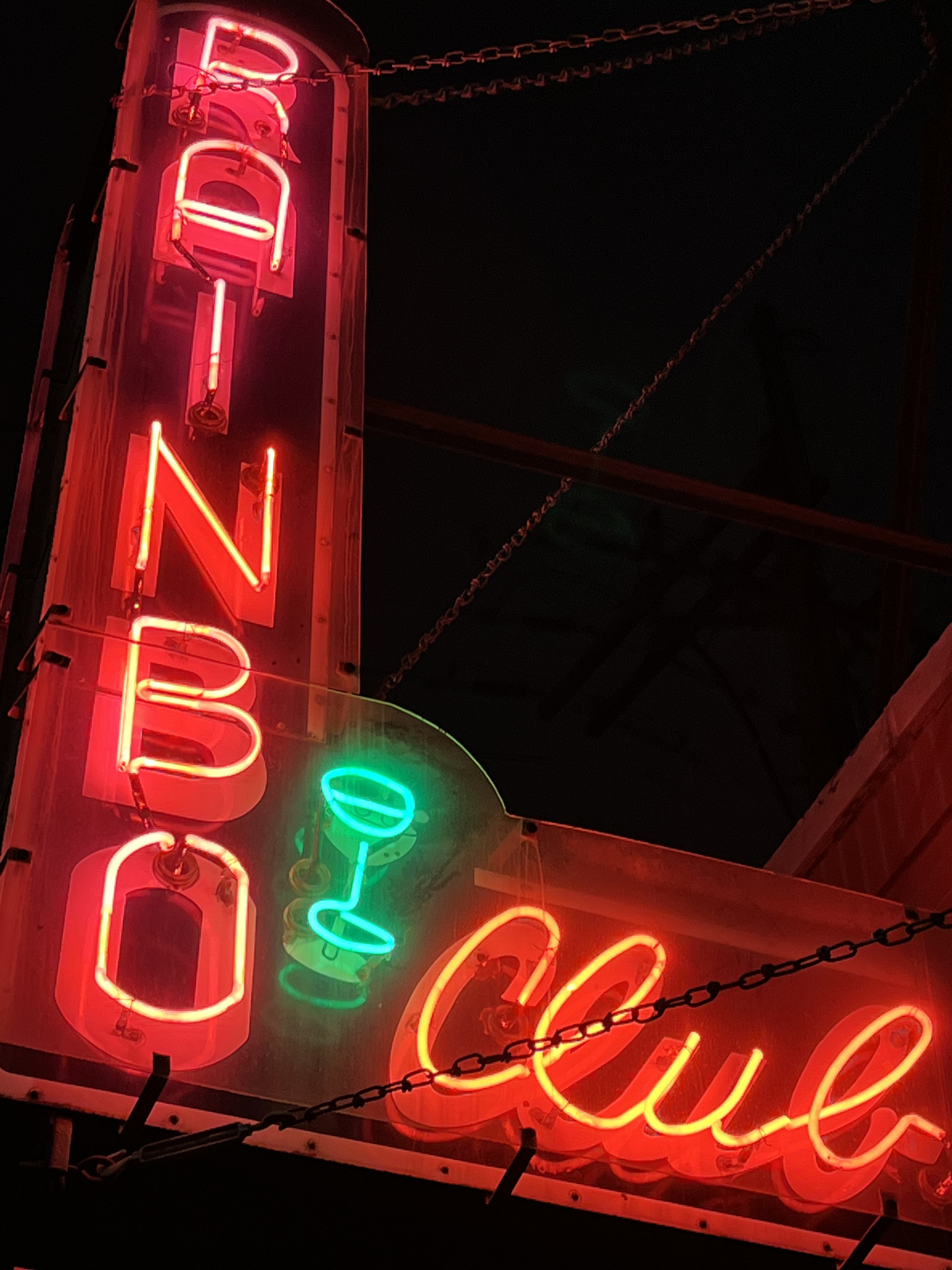
Rainbow Club Damen Avenue 
Columbia College Chicago at Wabash and Ida B Wells 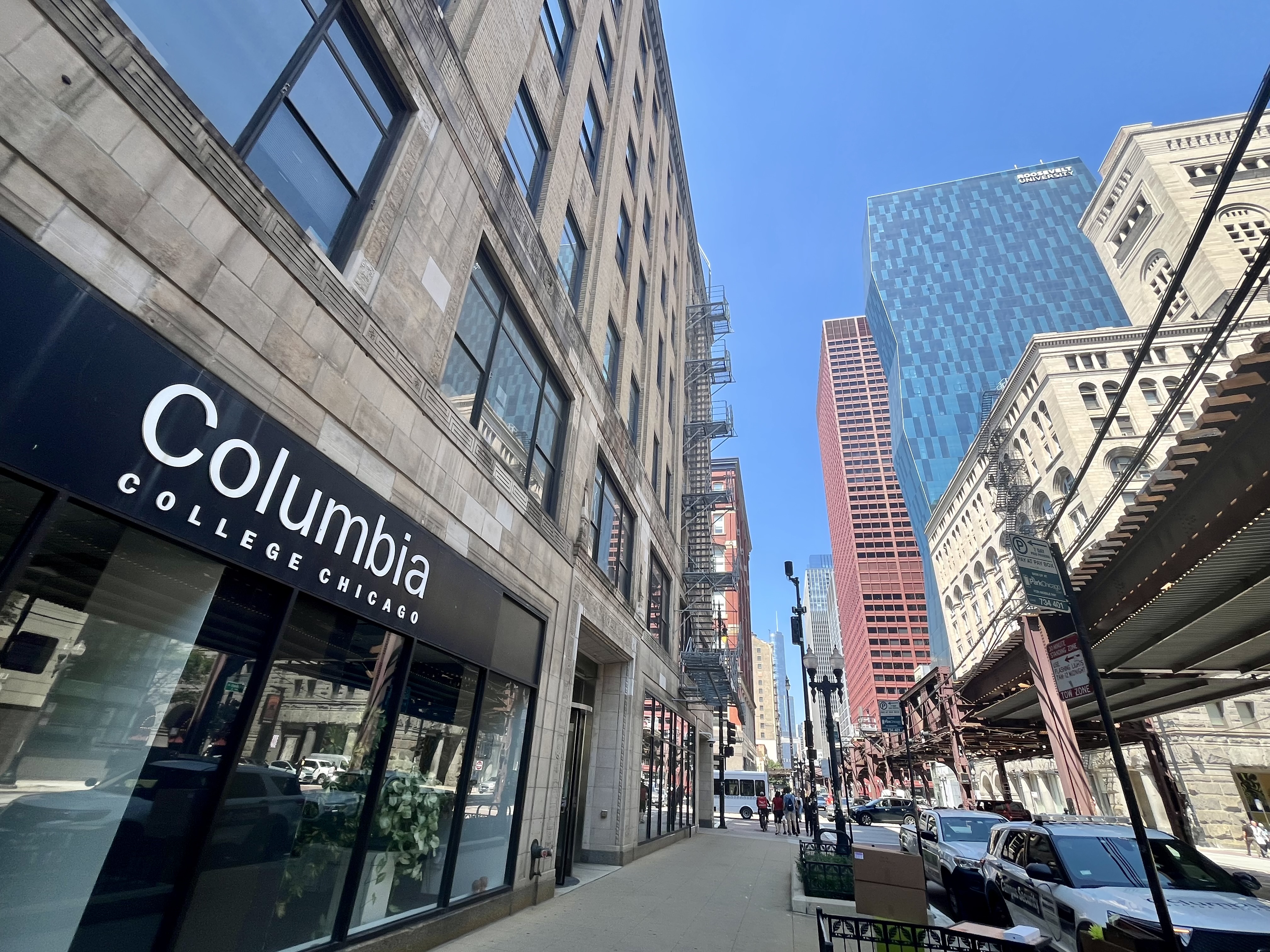
CCC at Wabash and Ida B Wells 2025 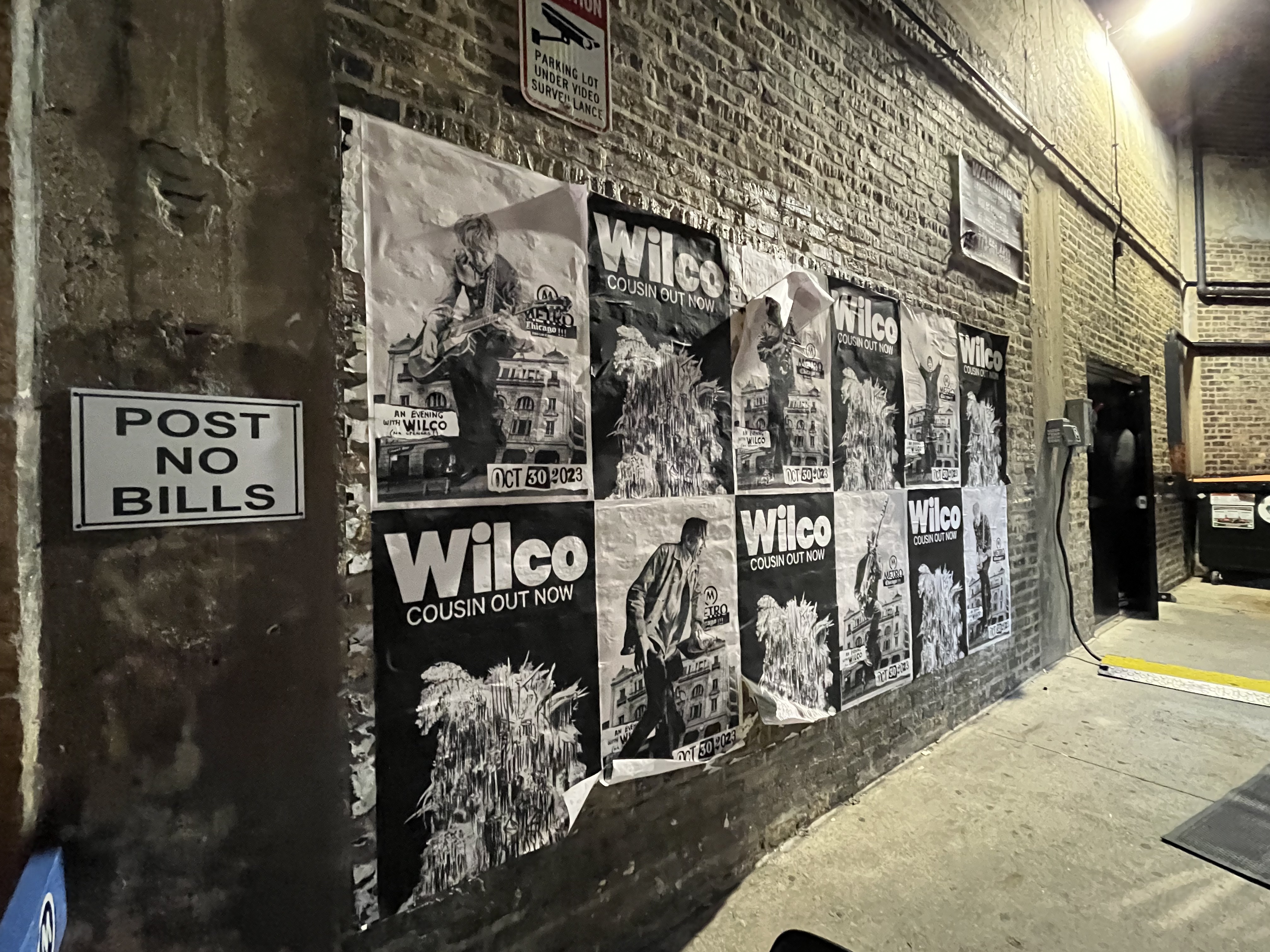
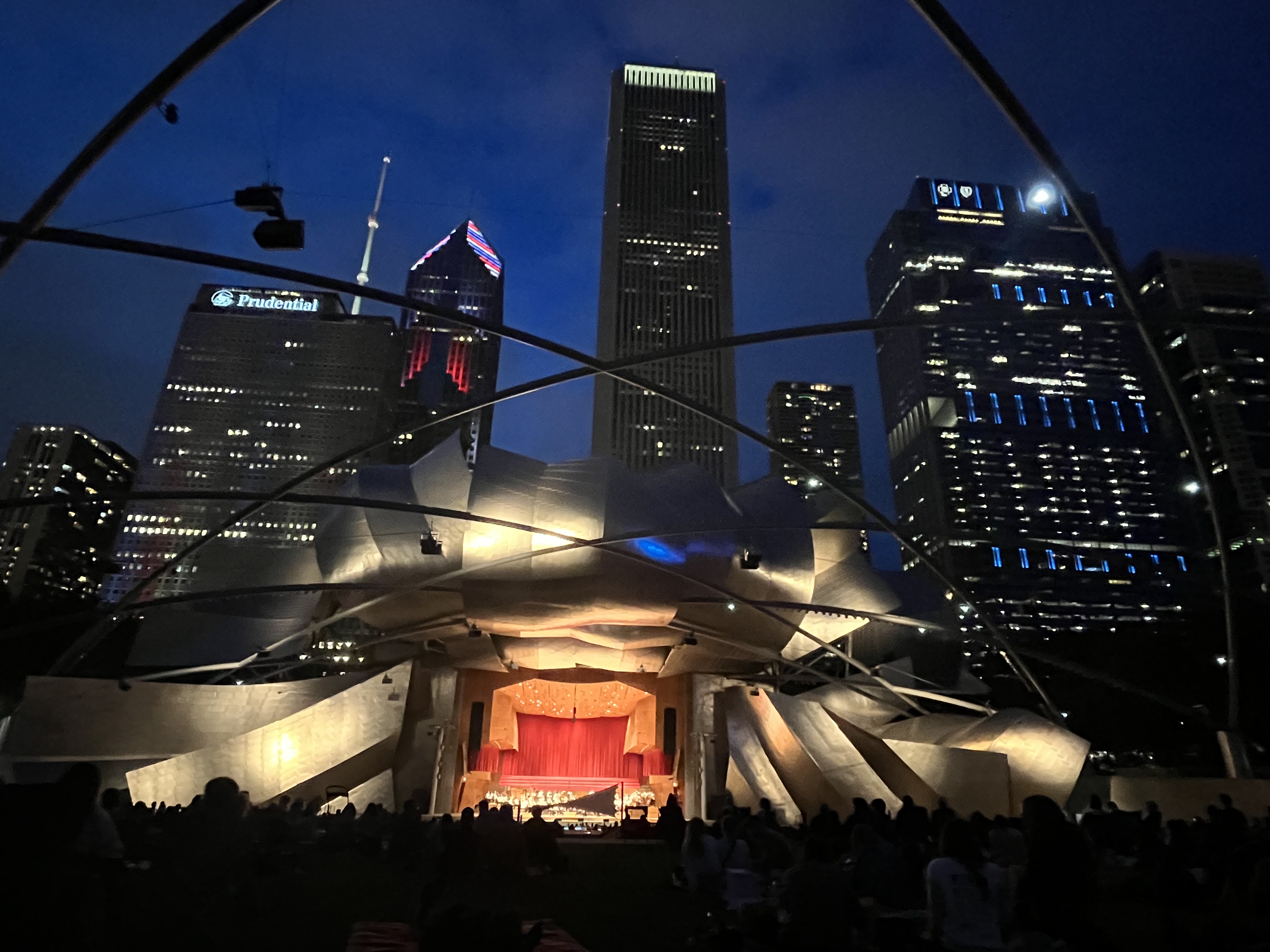
Millenium Park 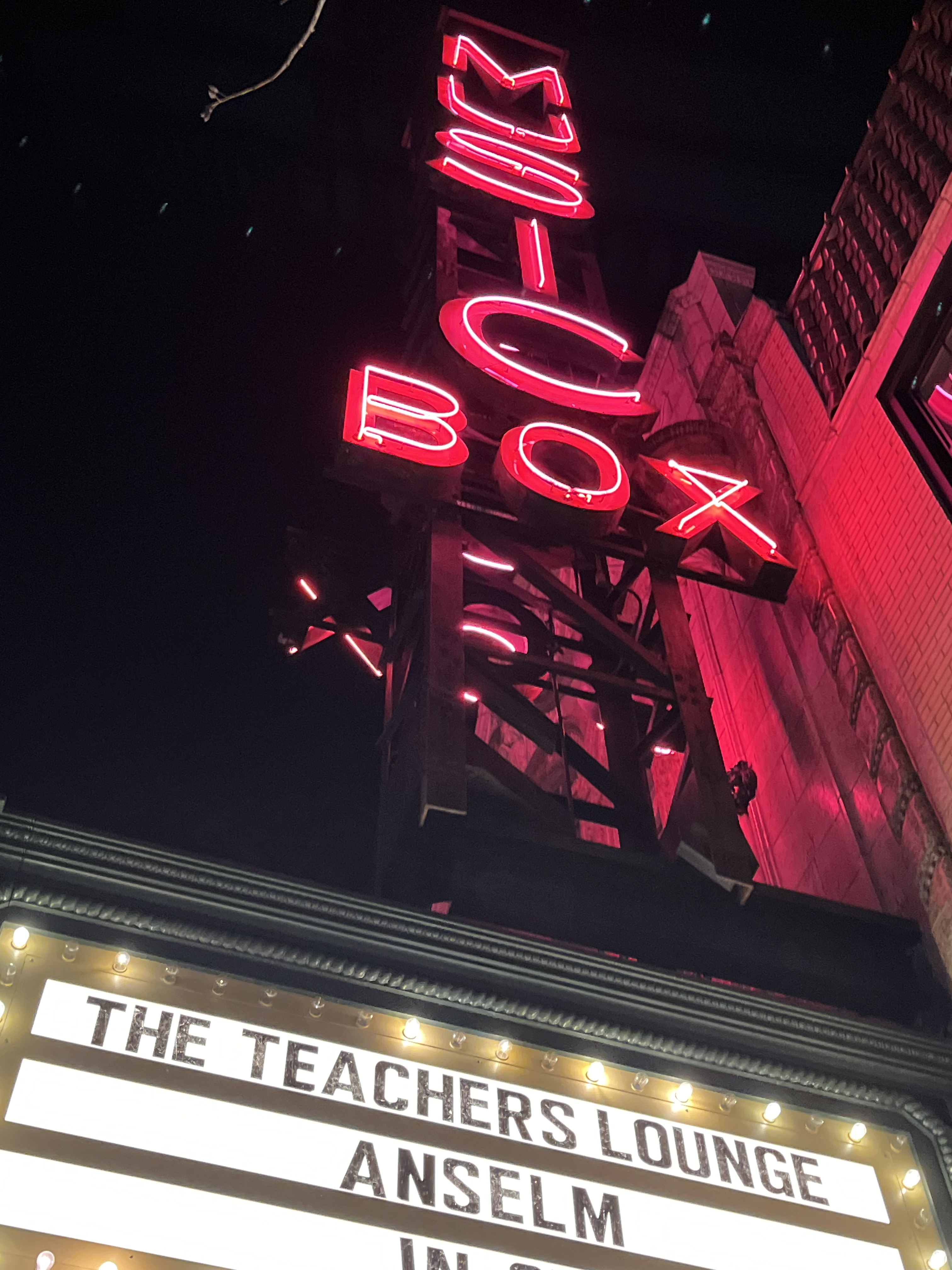
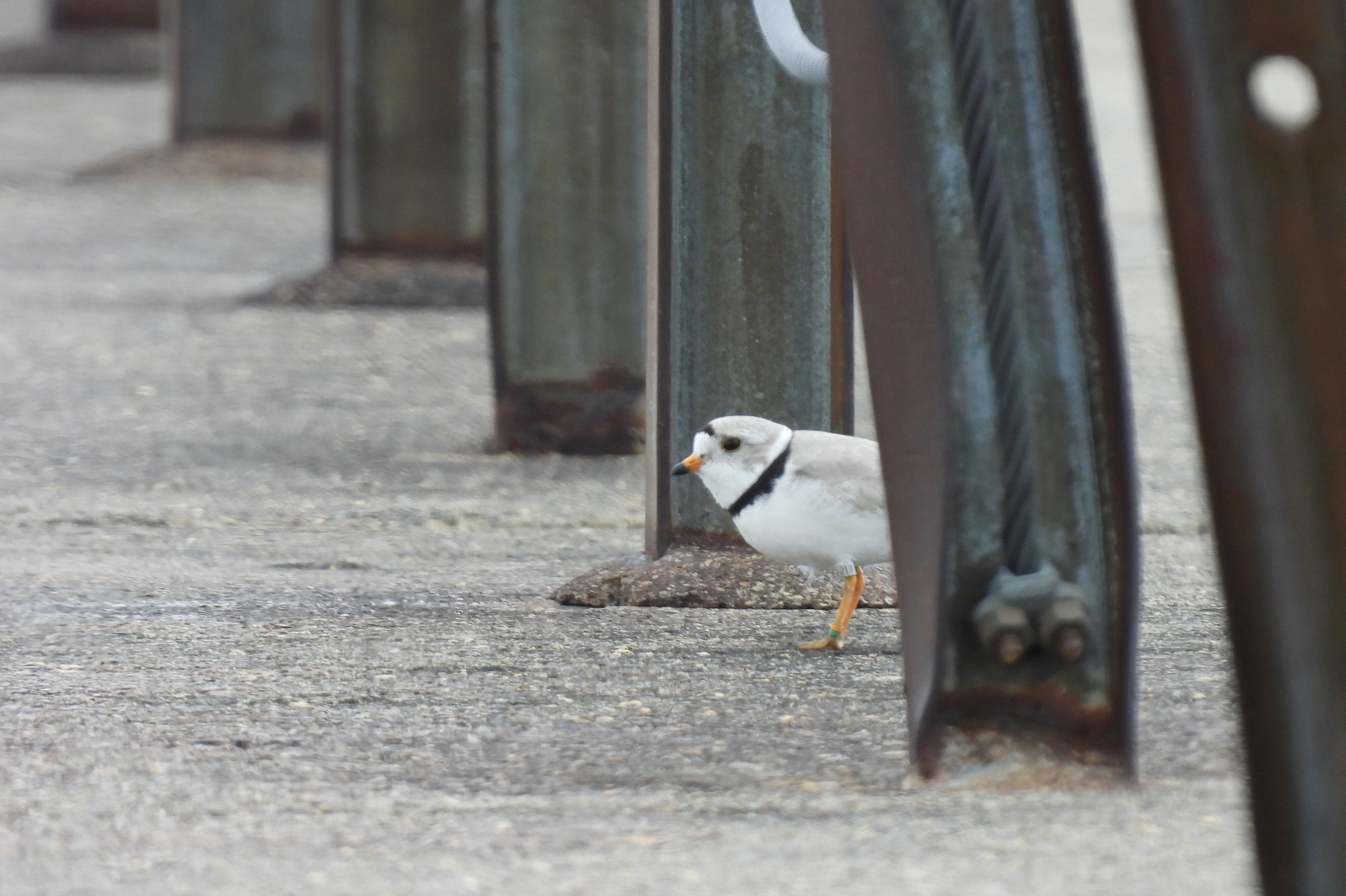
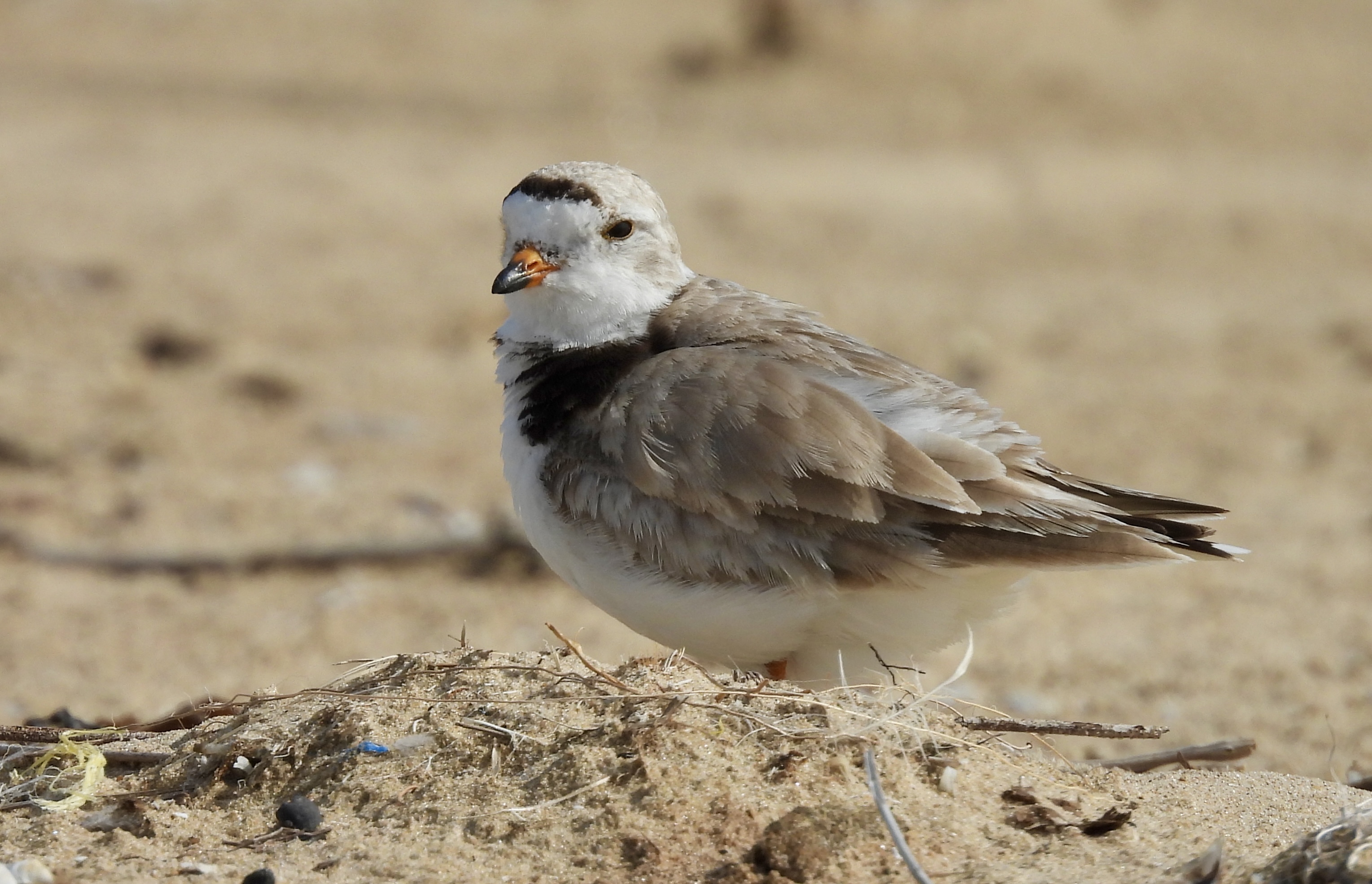
Piping Plover Pippin Urban Resident on Montrose Pier 
The Music Box Theater on Southport 2025 
Millenium Park 
Superdawg Drive-In Chicago’s Northwest Side
I have a ritual that began when the Salt Shed, one of Chicago‘s most splendid music venues, first opened. Staś (my most favorite son of Chicago) and I stumbled on a side door that very first night, finding ourselves on the roof. Every time since, before every show, I go out onto the roof—winter or summer, windy or snowy—with a cocktail in hand, dragging friends and comrades with me—and I look, like god looks at what she made, resting and saying, „And it was good.“
I gaze at this beautiful city, my hometown, laid out before me behind the north branch of the Chicago River. I absorb its strength, its splendor, its songs, its mess, its might, its masses and I fucking love it. I’ve always loved her fiercely but never more than now, when Chicago says NO to fascism, when neighbors armed with only whistles and guts drive off jackbooted jagoff thugs coked up on guns, racism and lawlessness, driving them from our streets, never before have I loved my Chicago this fucking much.
Uptown
(click on images for full size slide show)


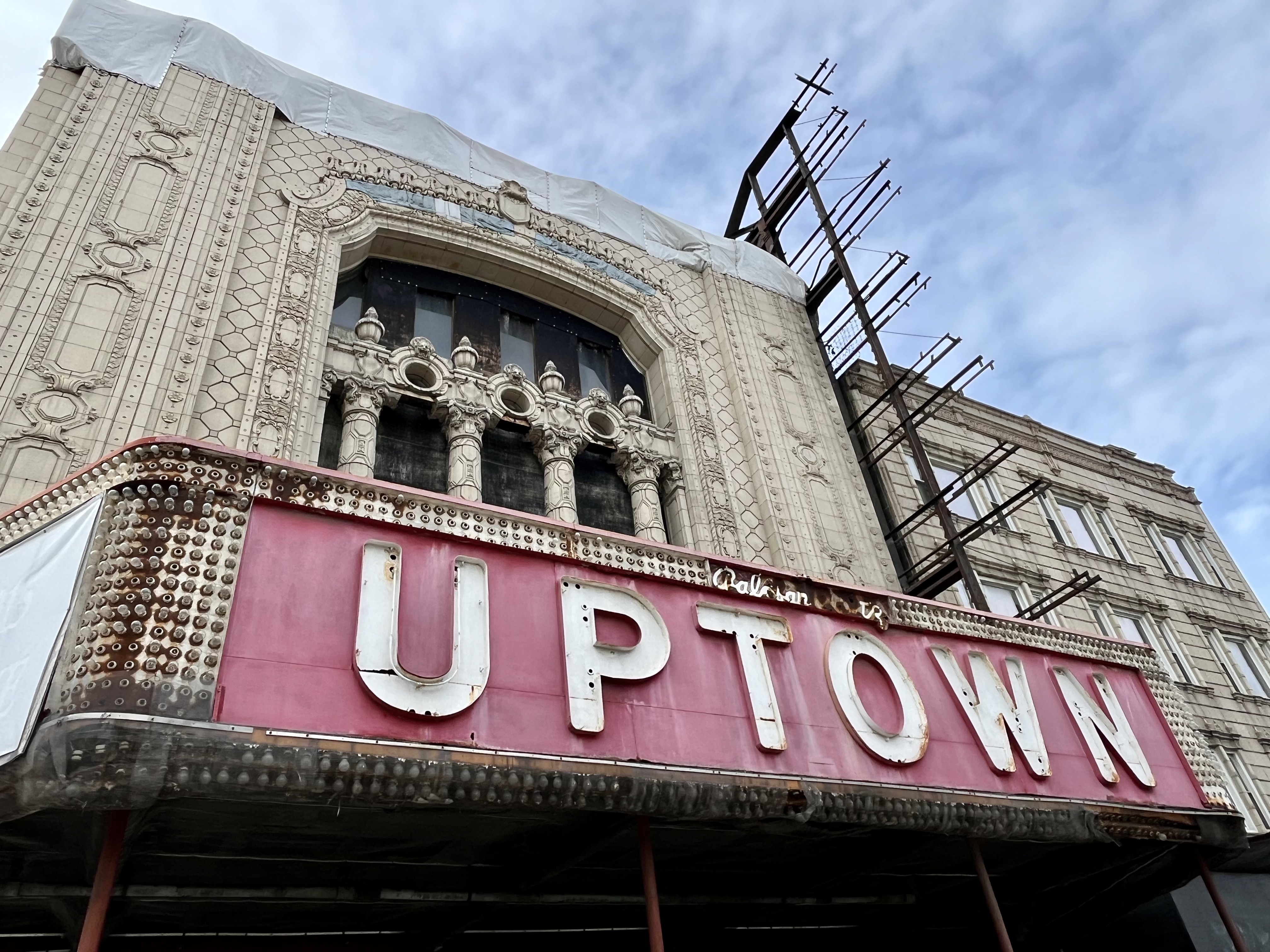
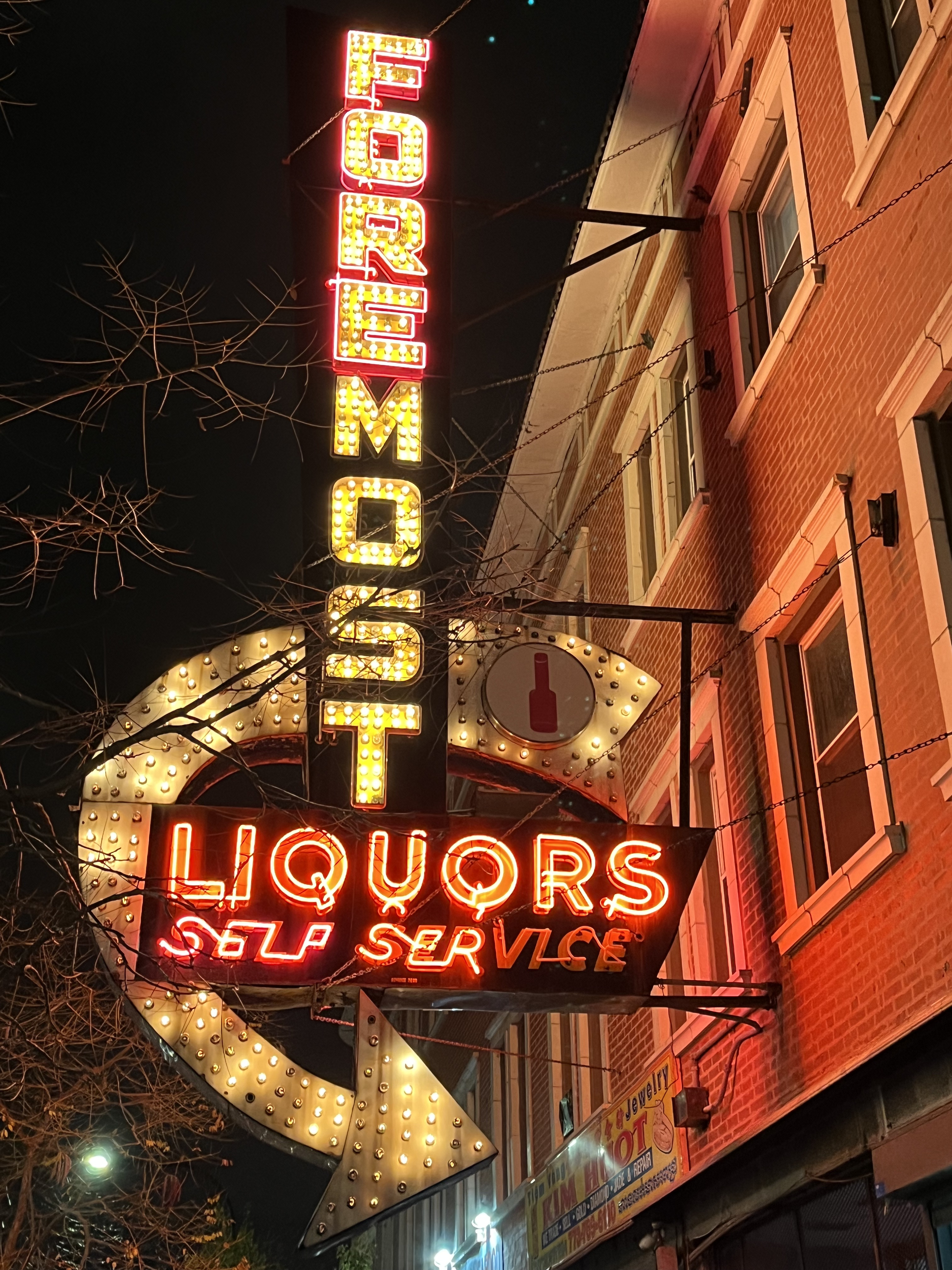
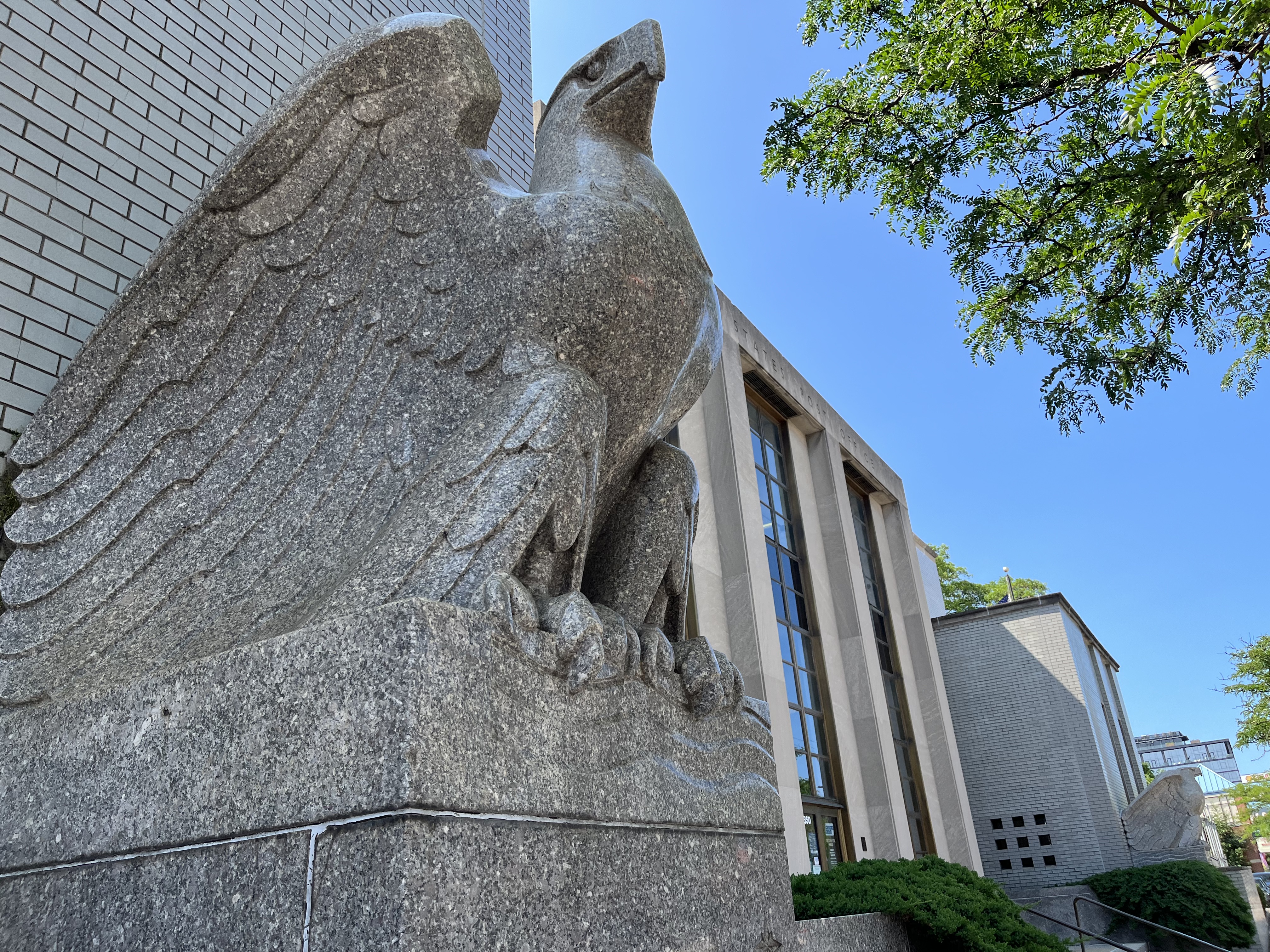


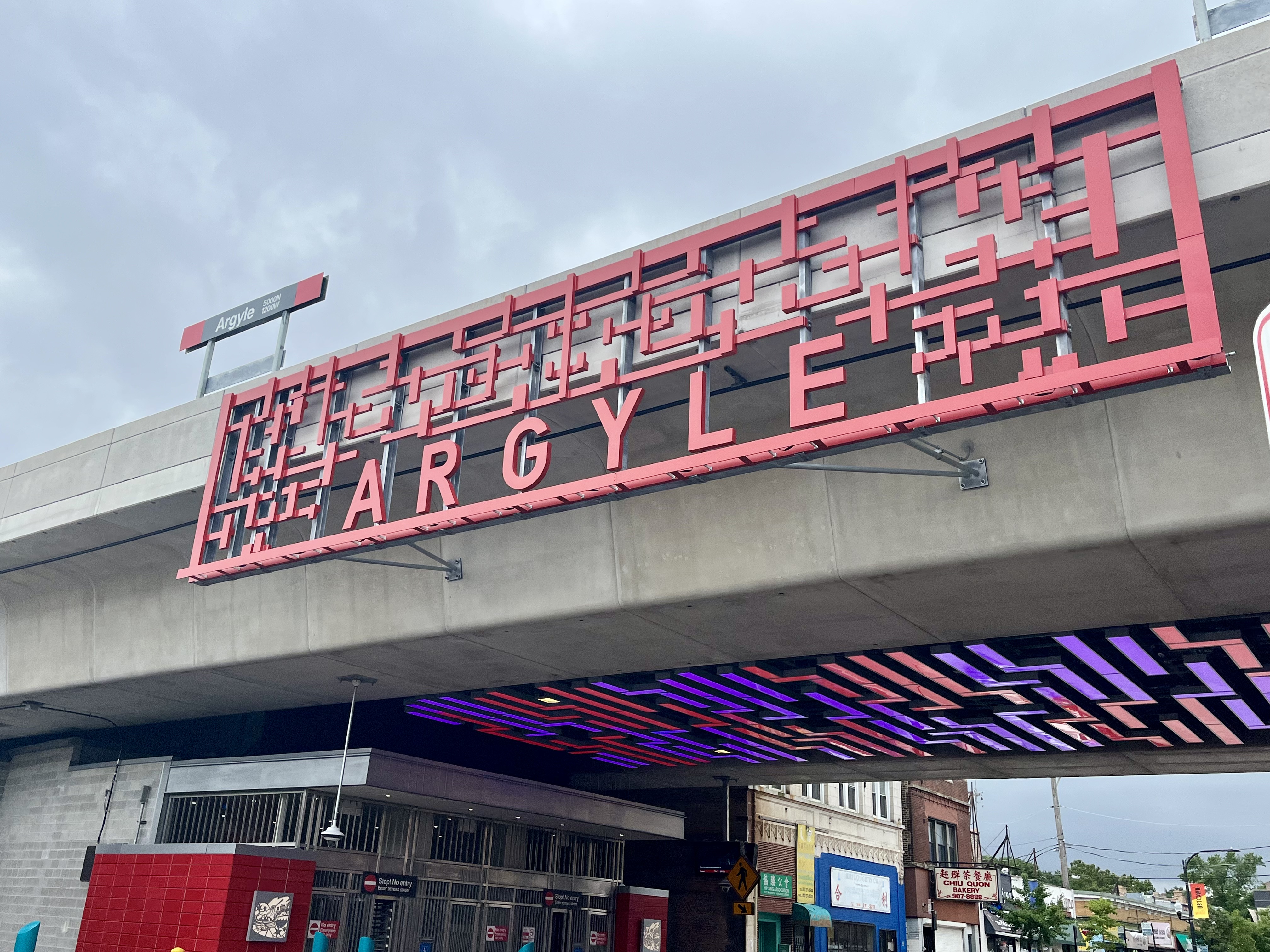

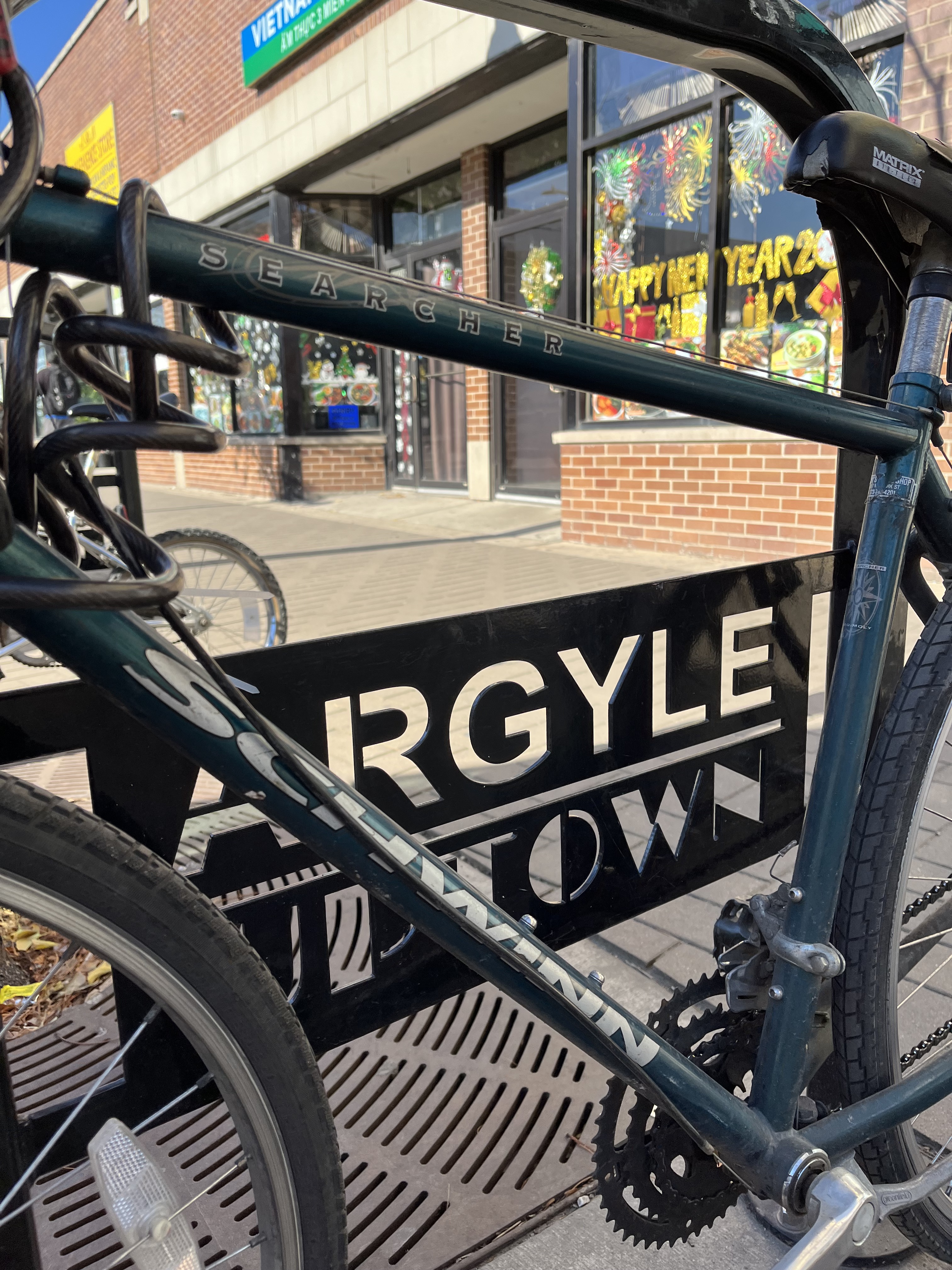
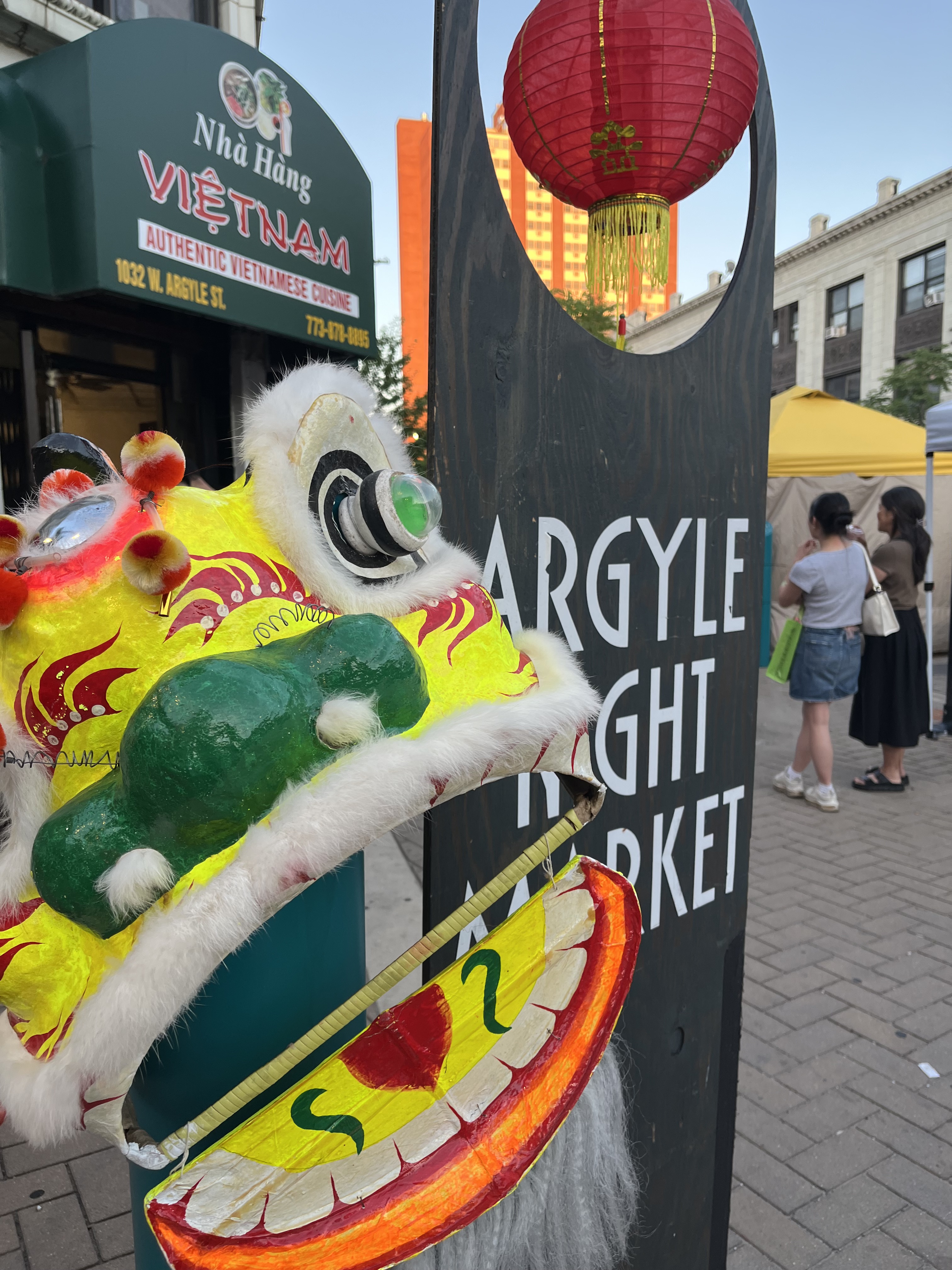


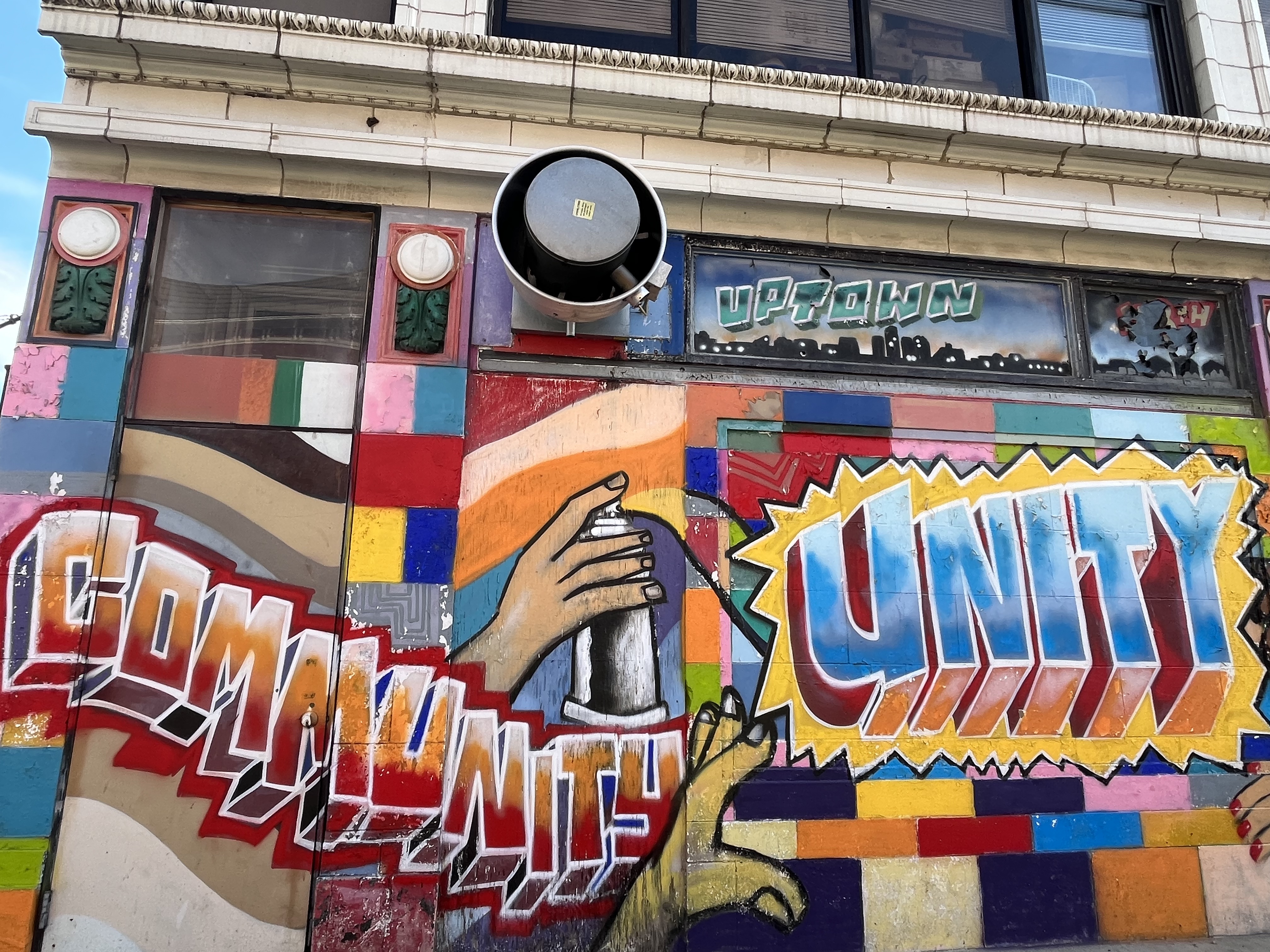
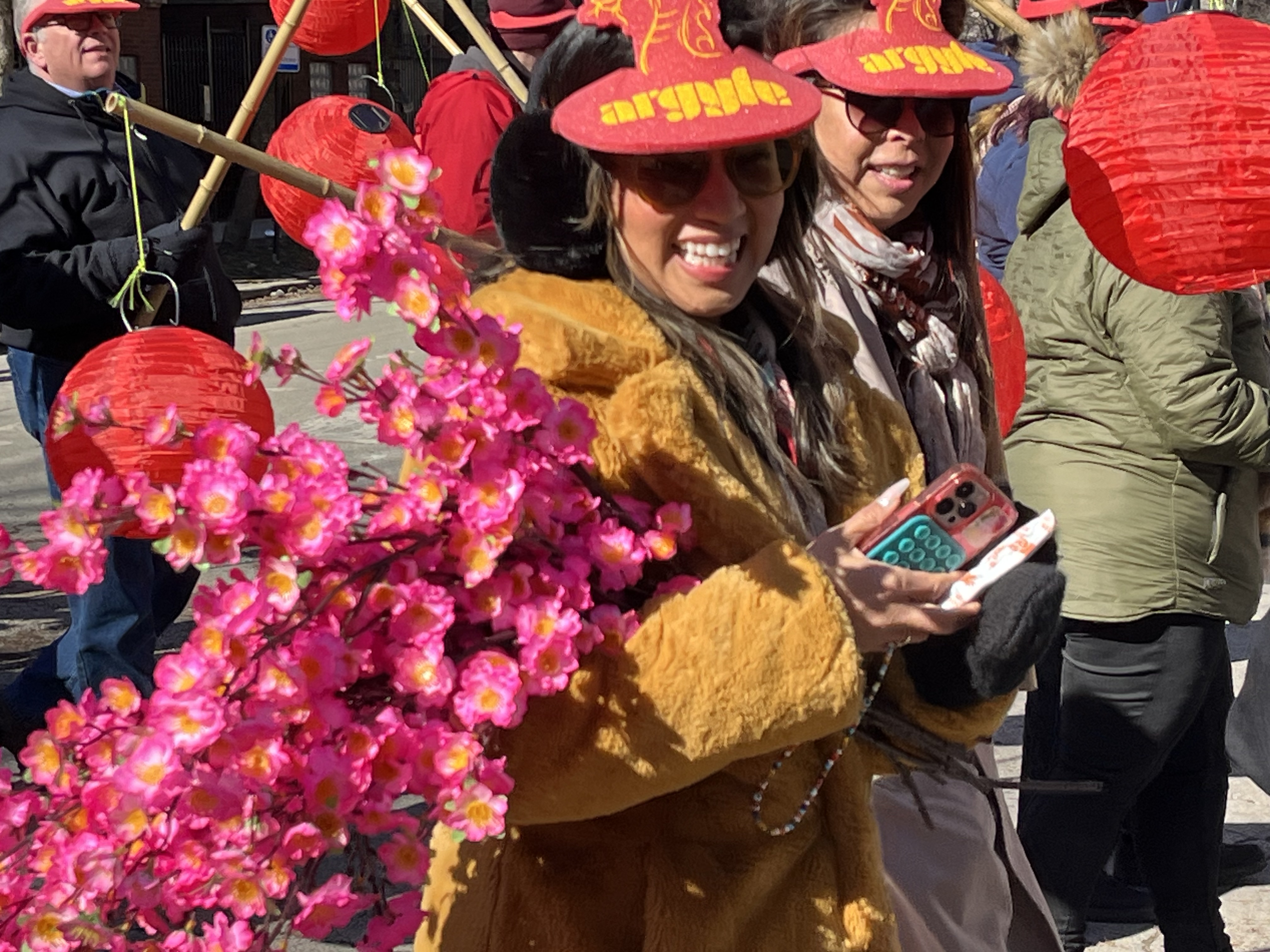
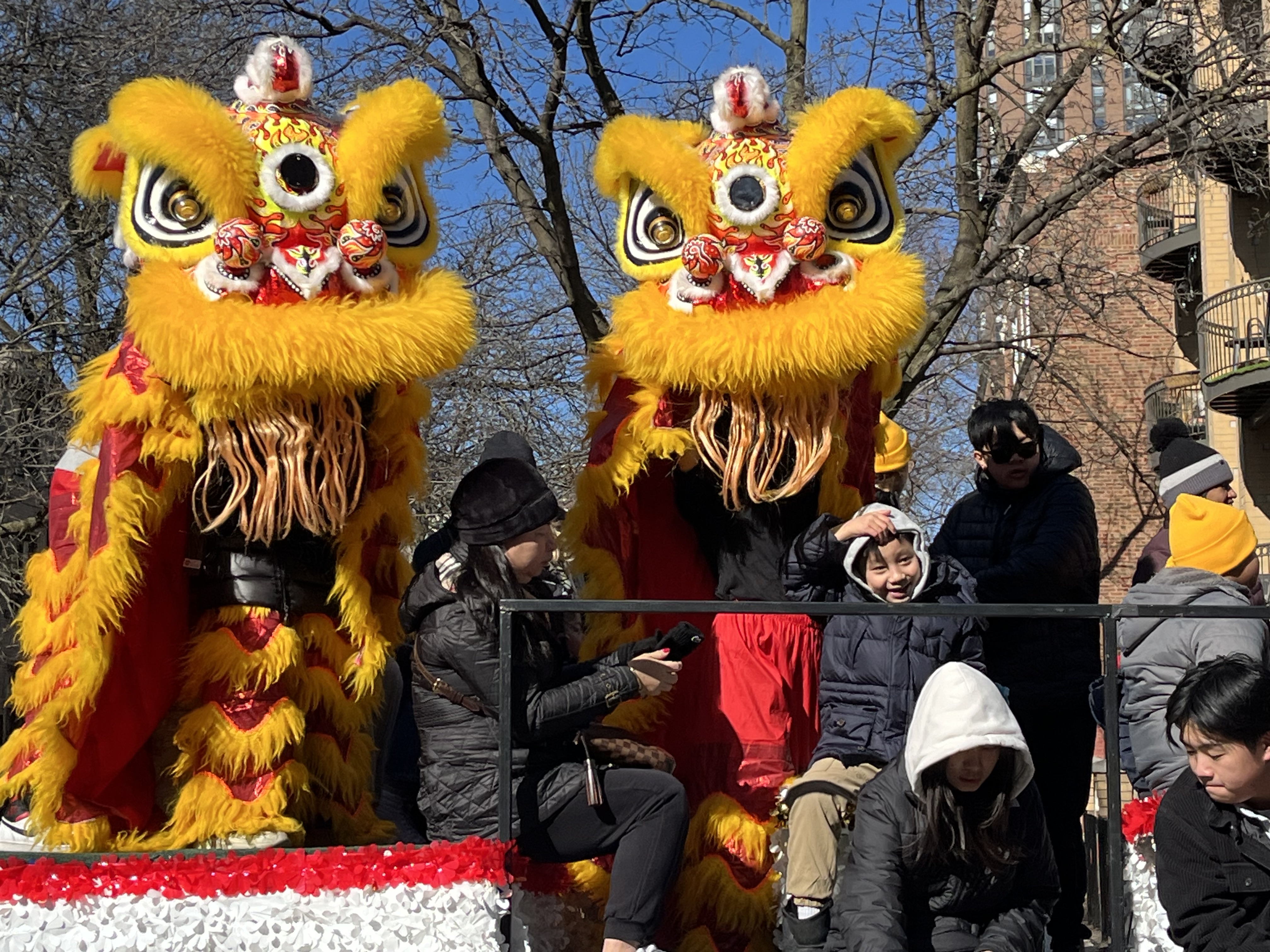

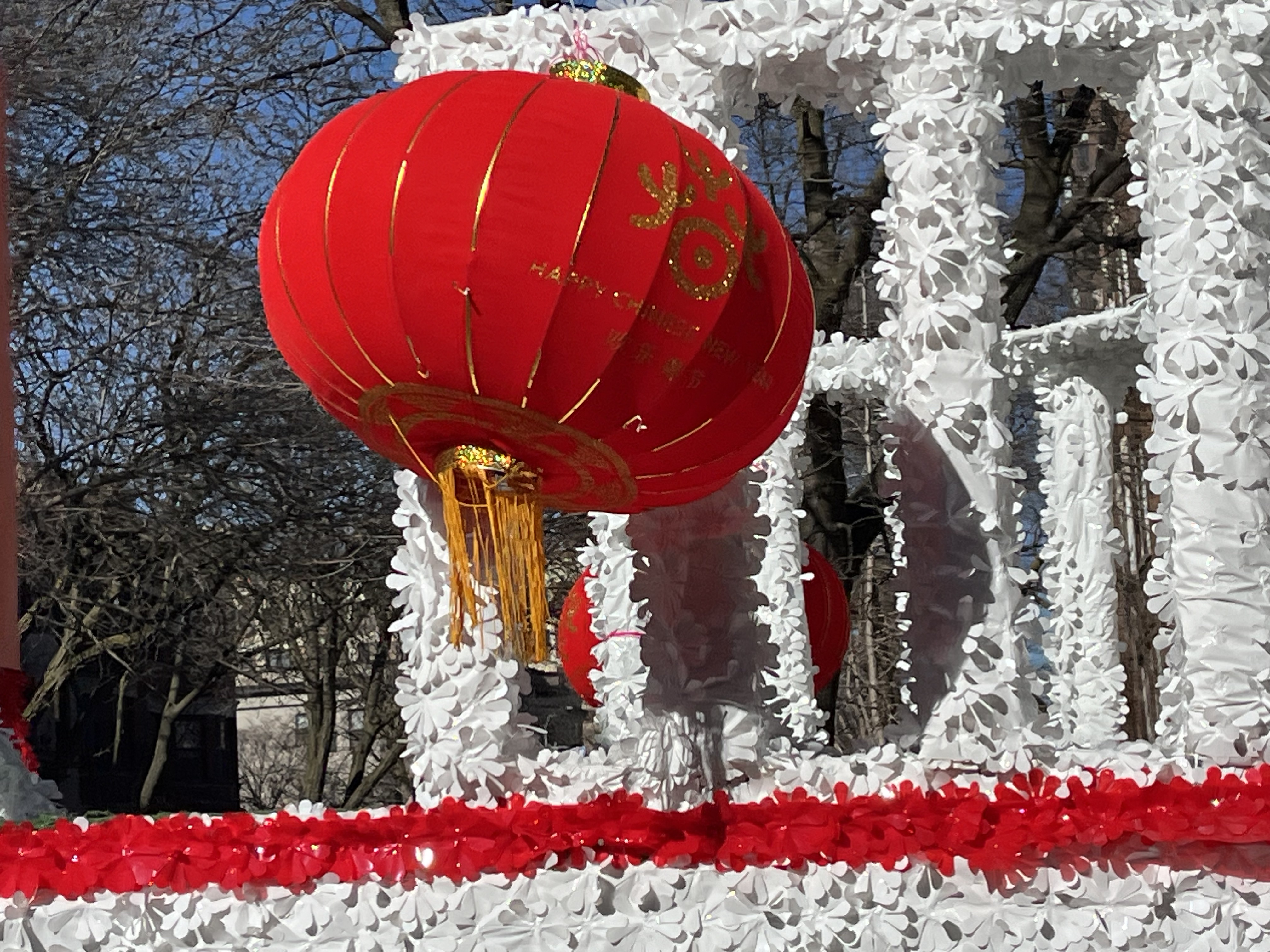


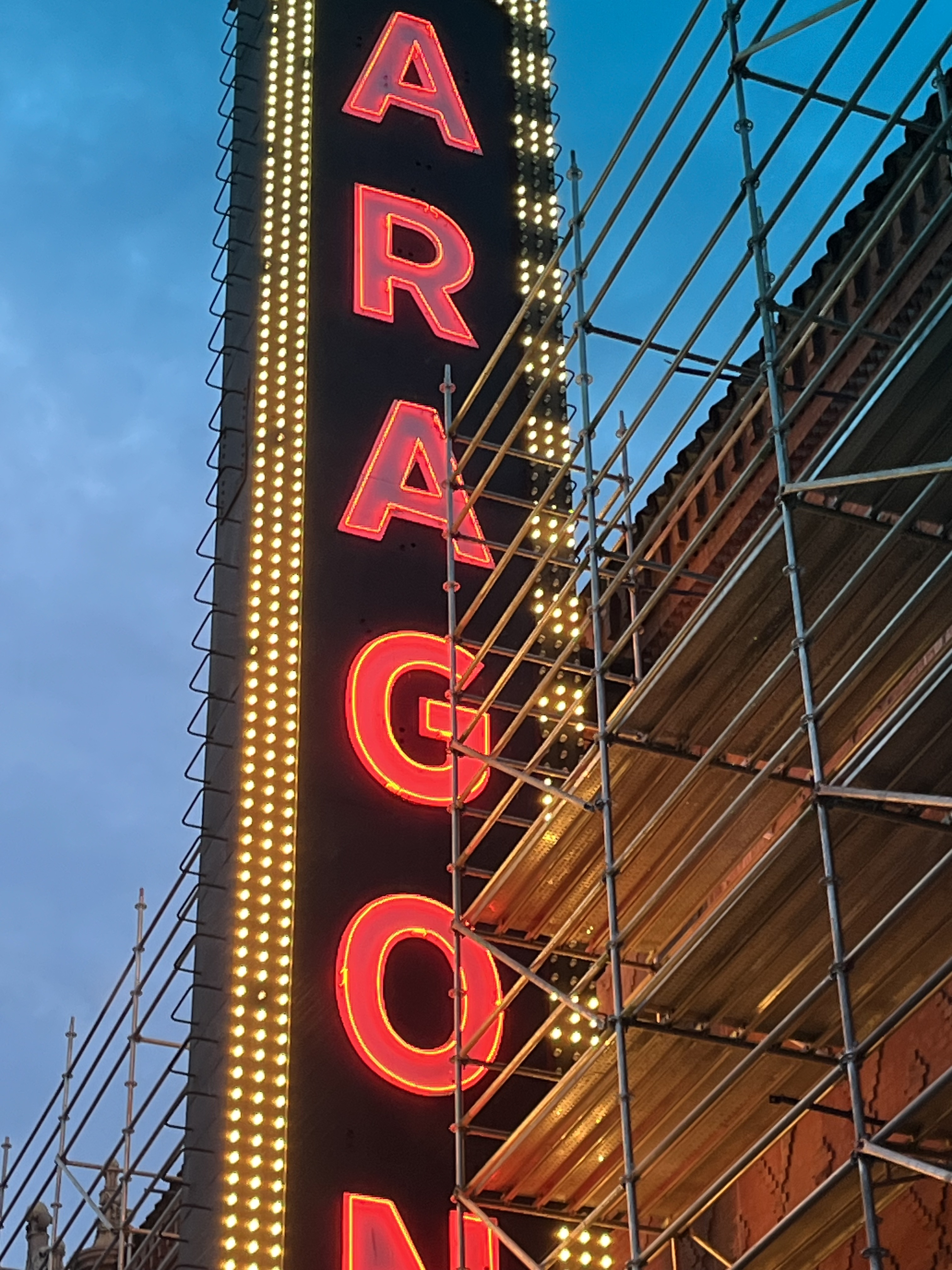


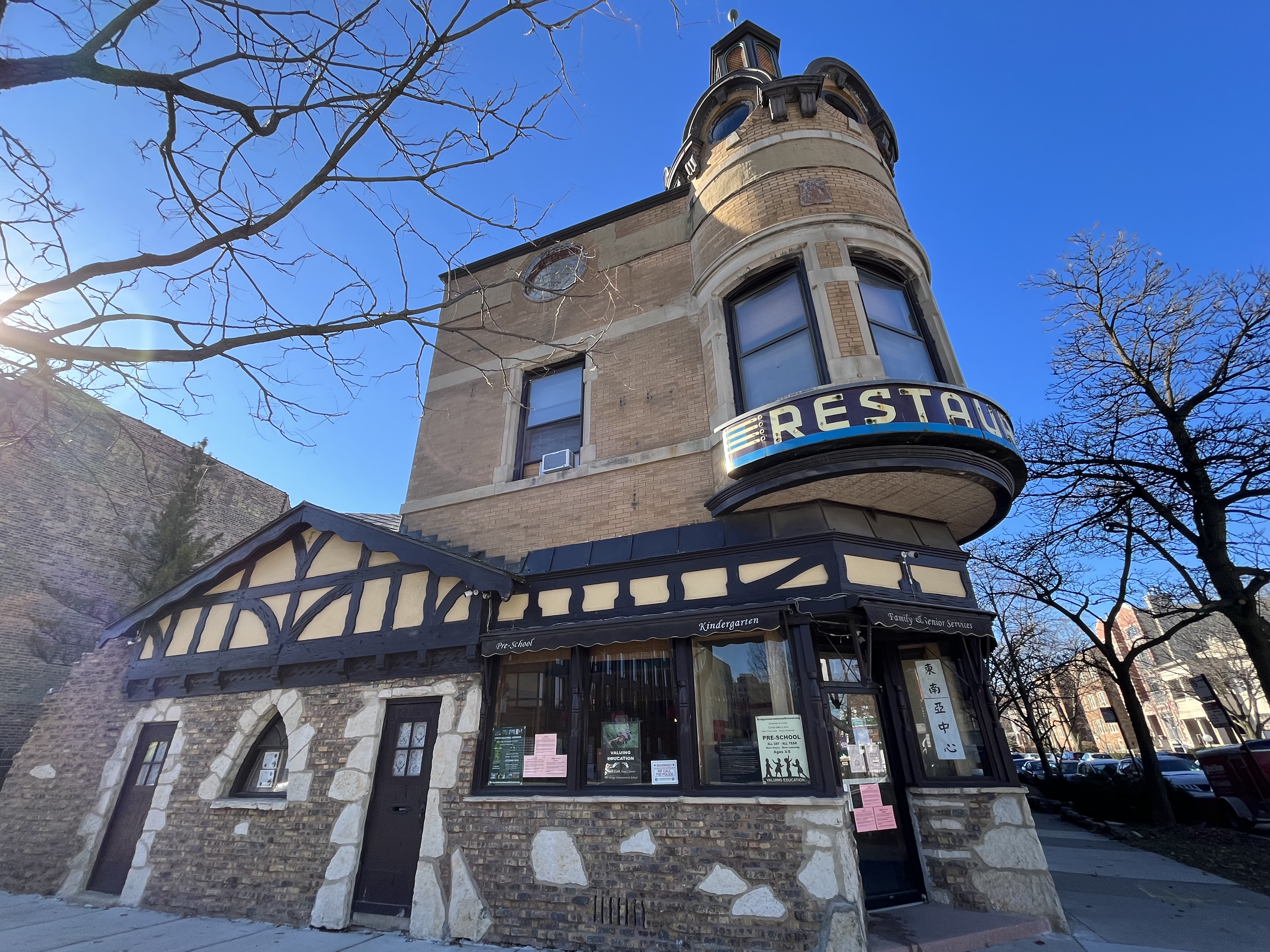

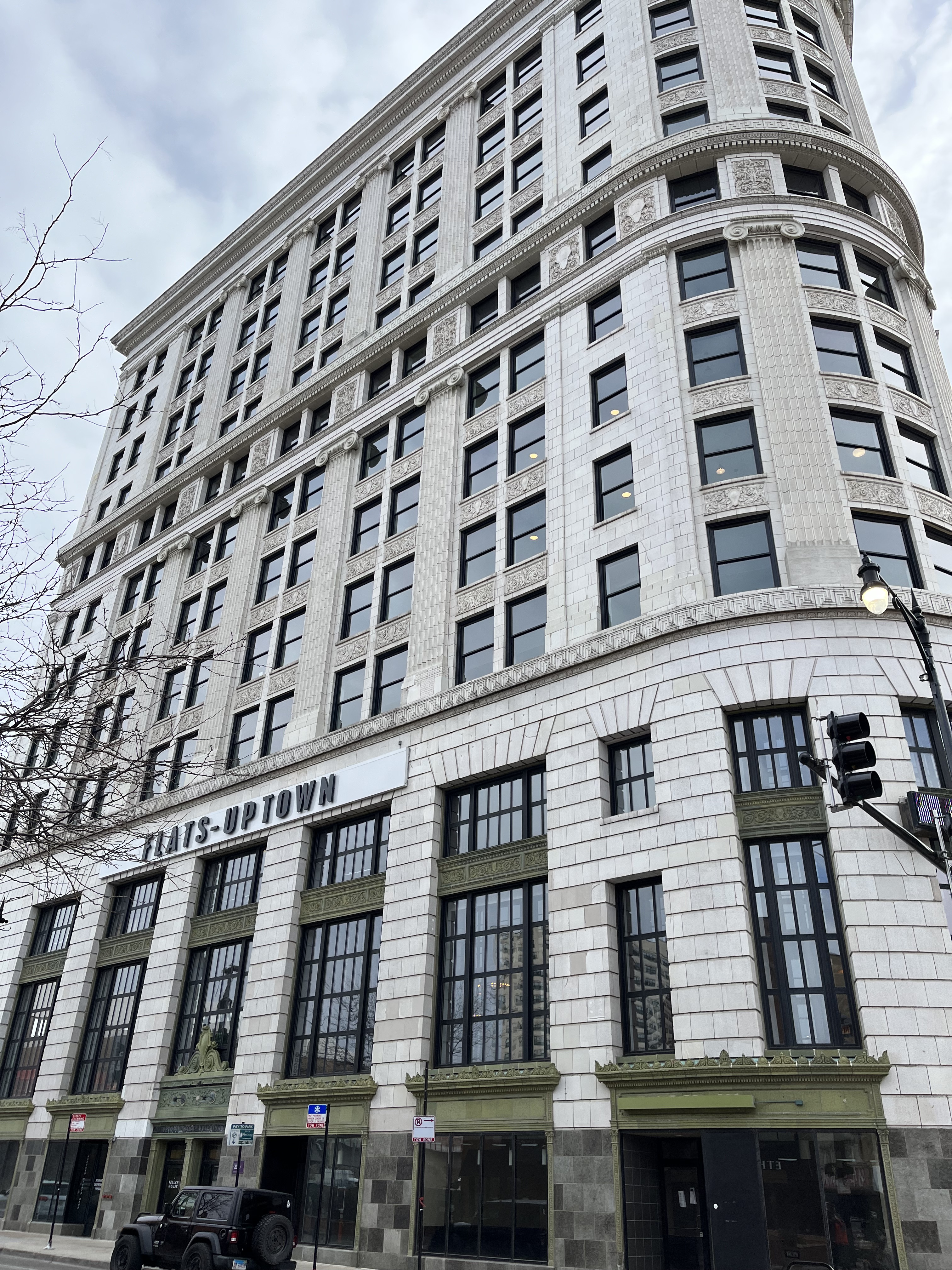
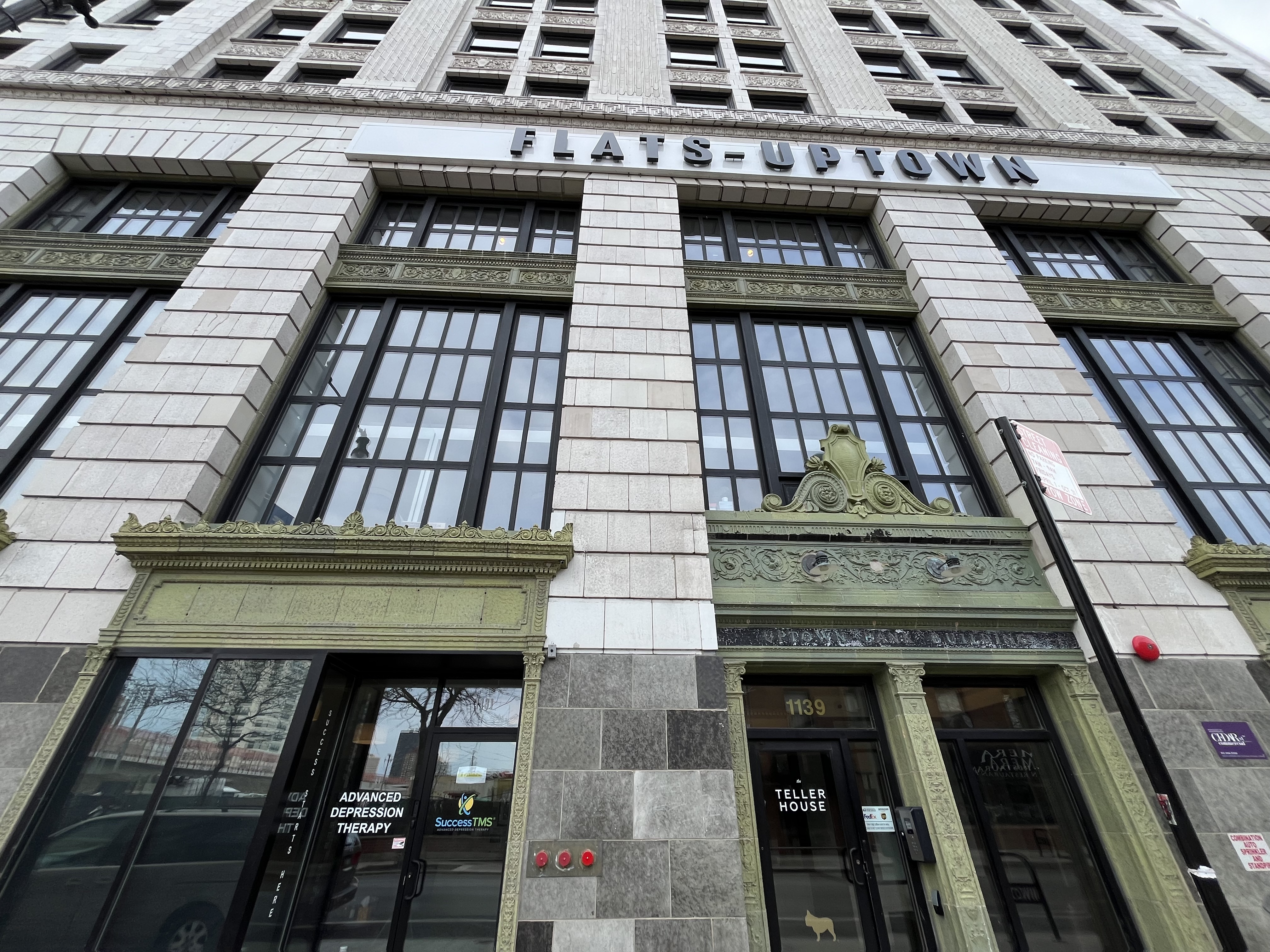

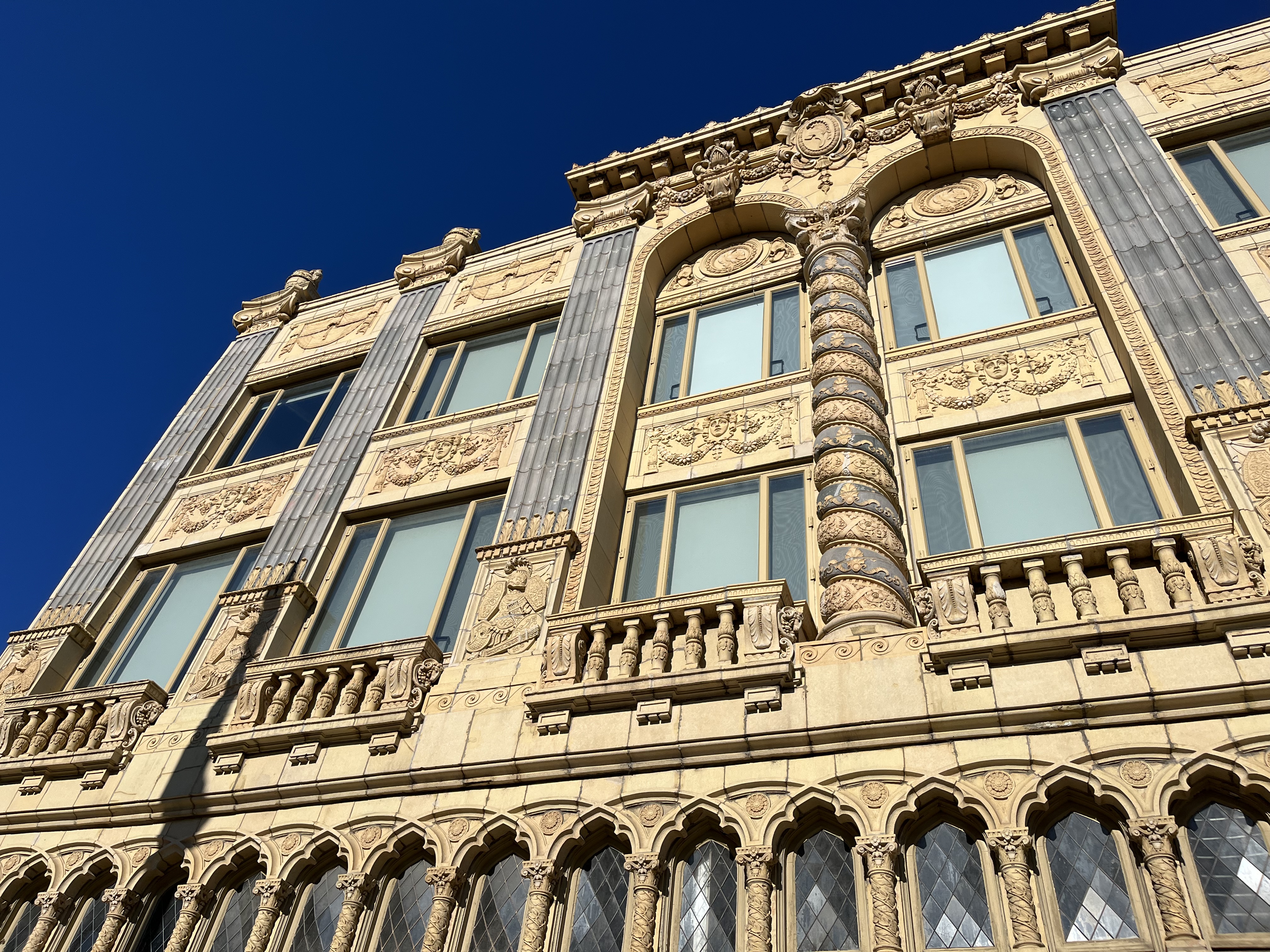

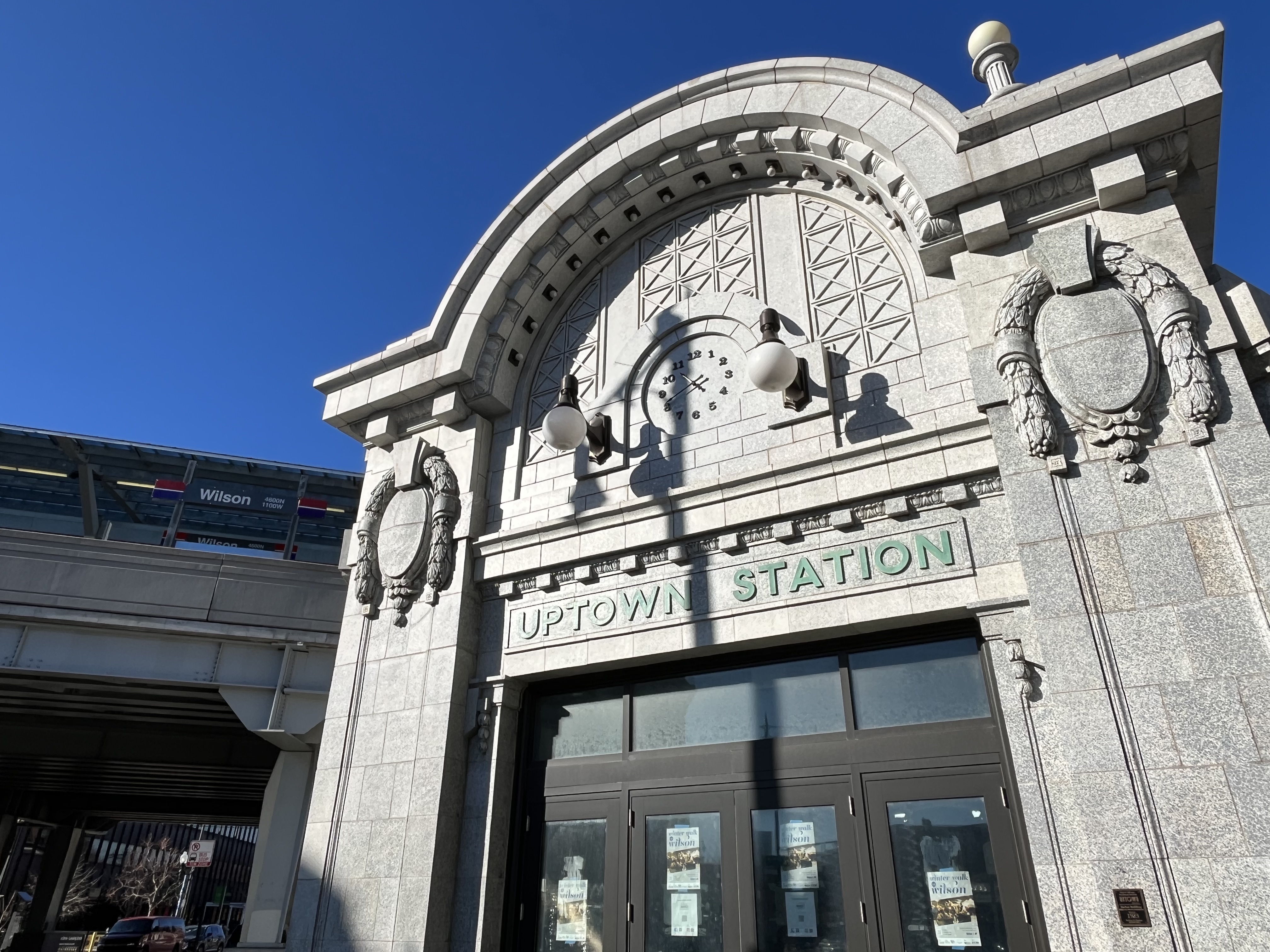
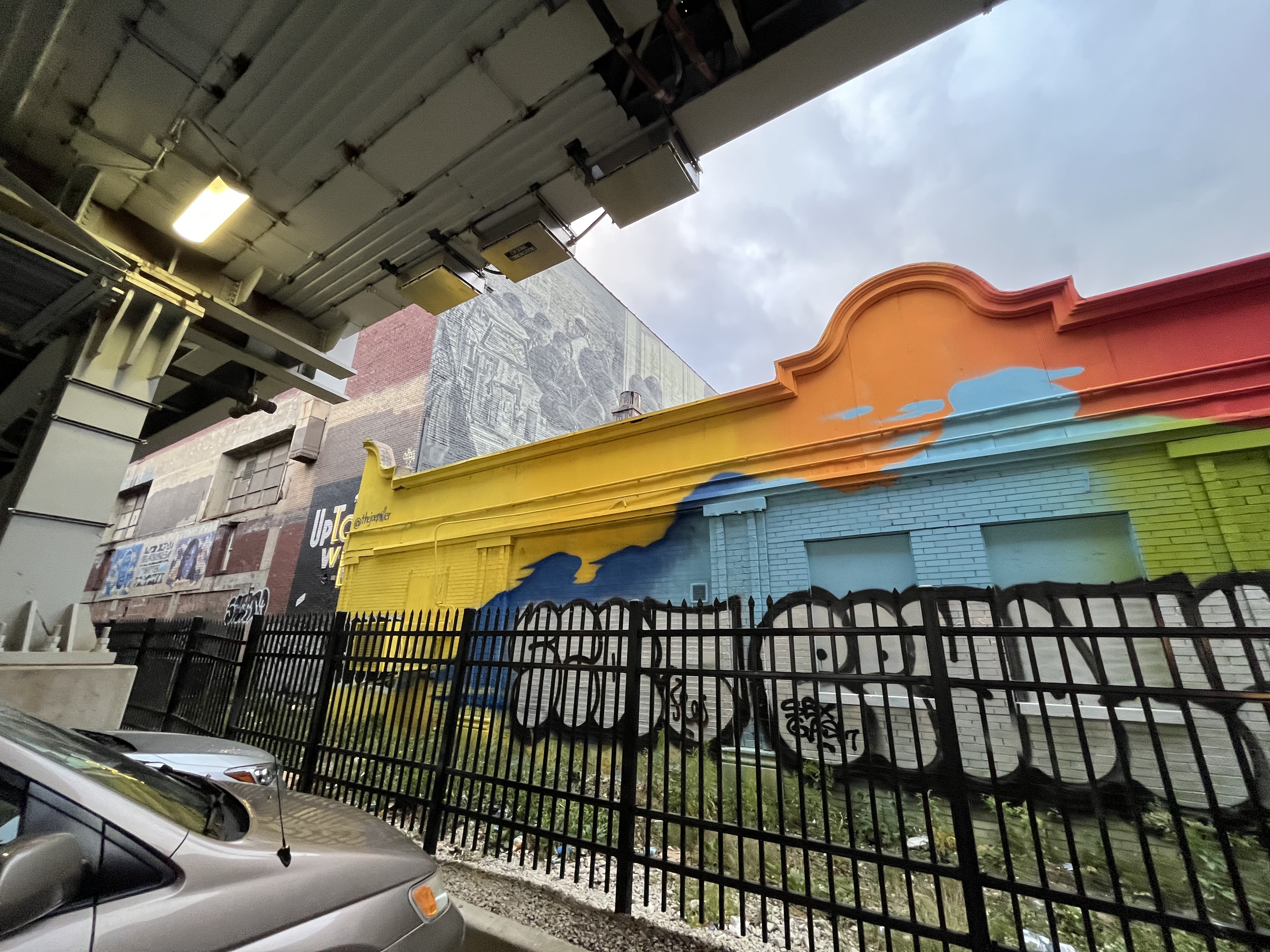

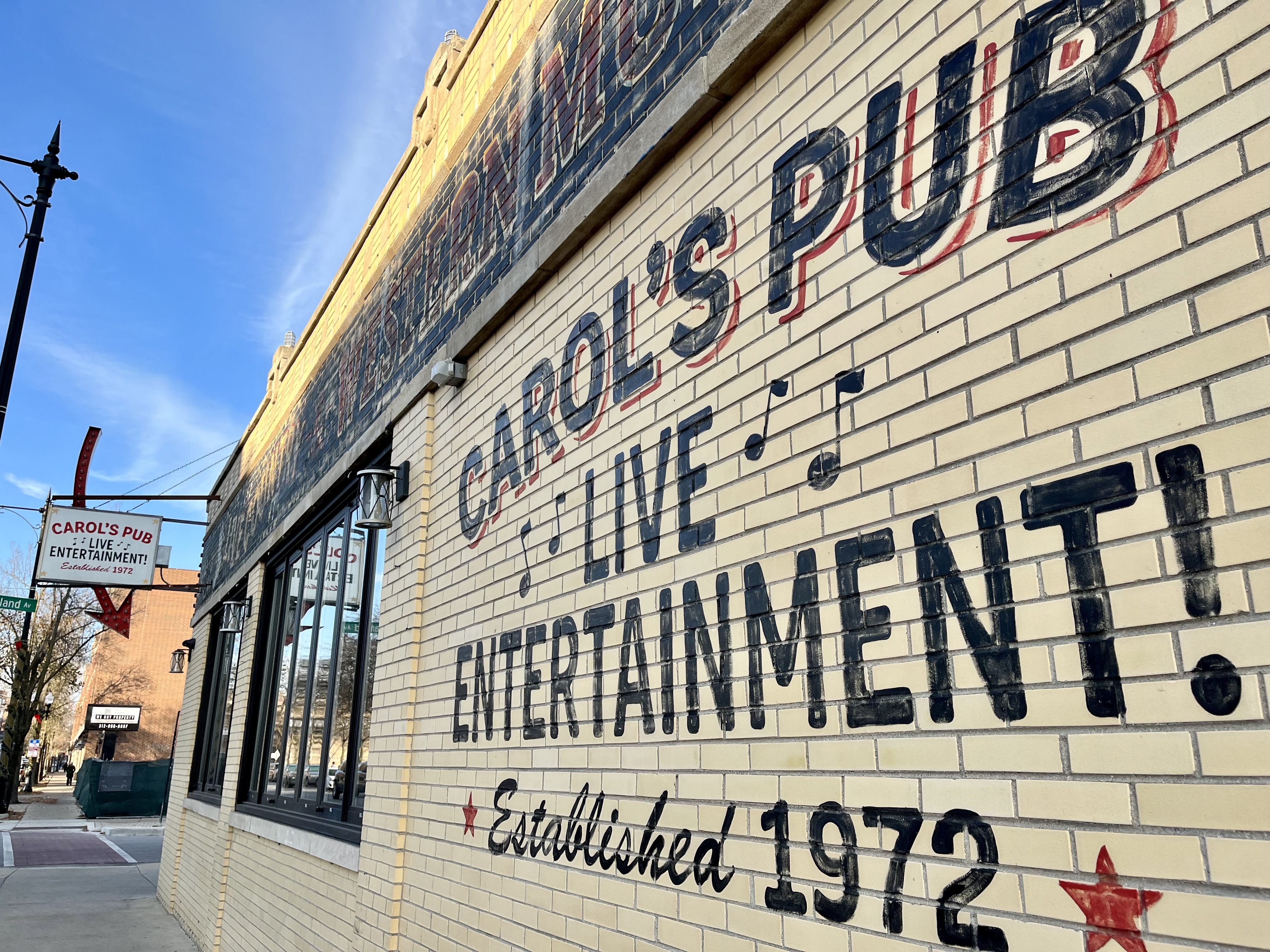

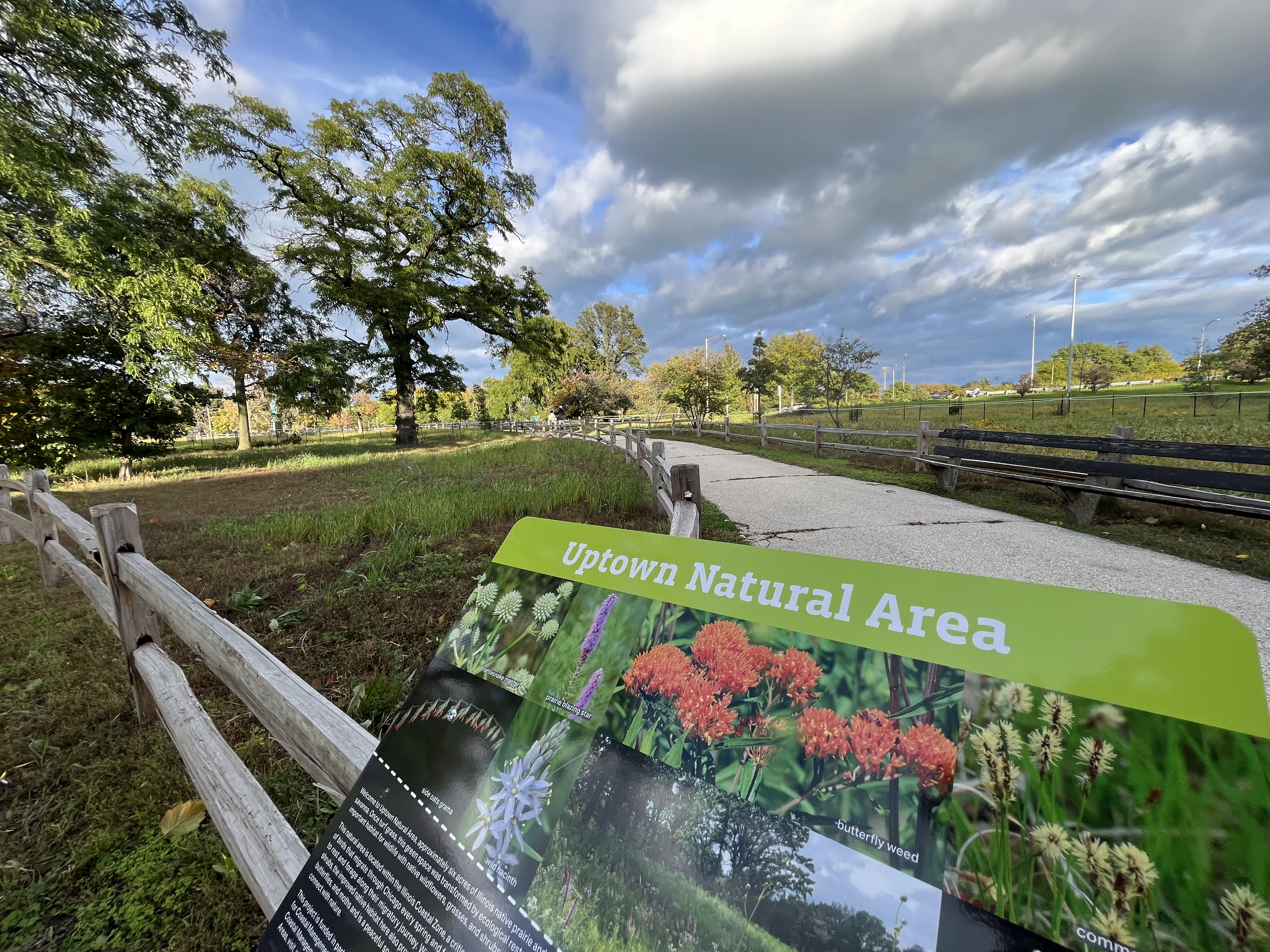



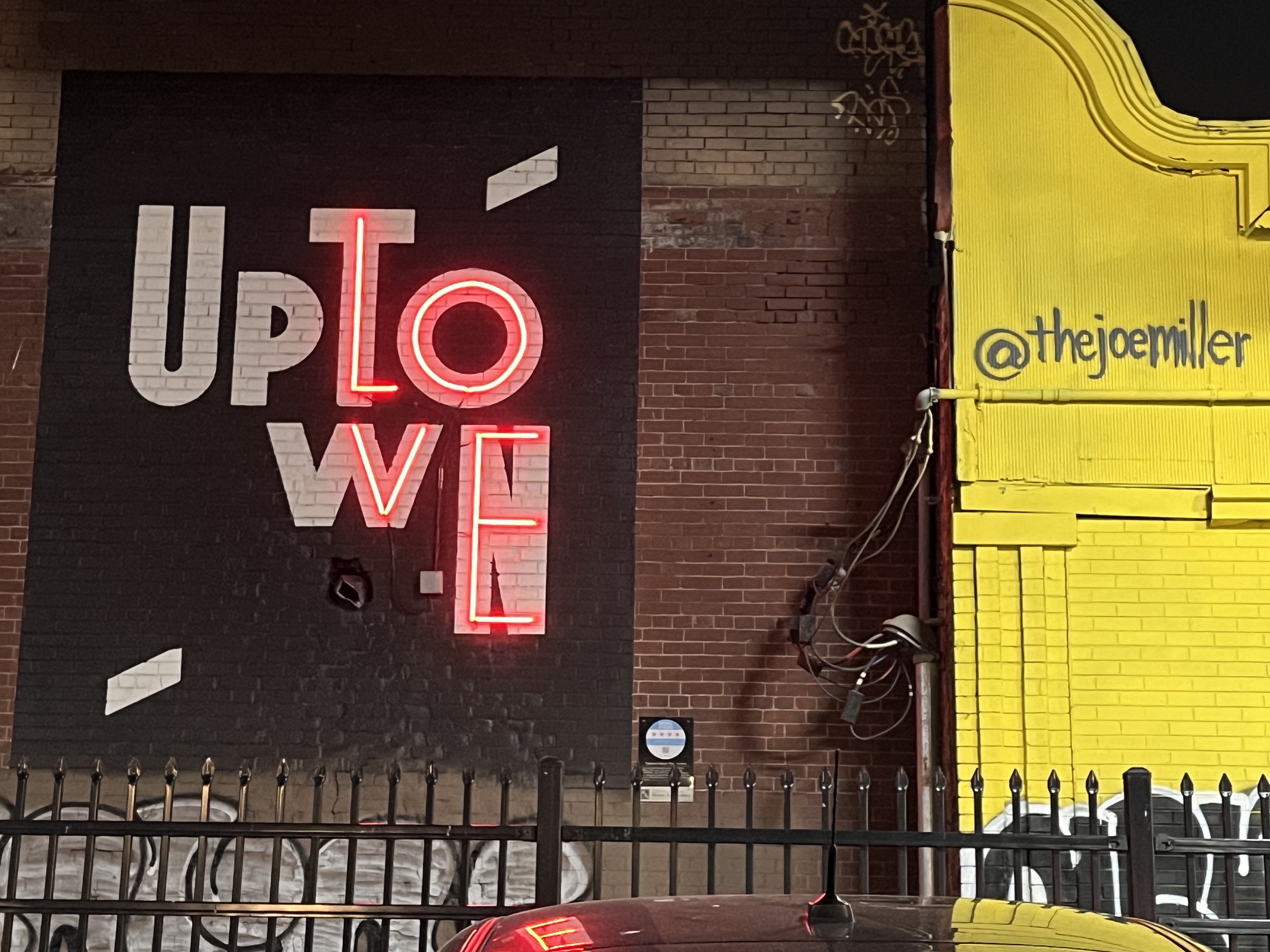
ORIGNAL POST 12/2023 On June 2nd, I bought an apartment in Uptown, Chicago, USA. Six months later to the day, I can say I find it a welcoming, diverse, lively place to call home with a rich history, a bustling present and a hopeful future. I’m celebrating my first half year here by sharing a slide show of images I’ve made these past few months to document my new homeworld. It remains one of the city’s most ethnically diverse neighborhoods and it still welcomes immigrants and refugees from across the globe. Uptown United explains, “Uptown has long been home to social activists and advocates, immigrants and refugees, and artists and entrepreneurs of every stripe, all of whom have helped shape the area as it is today—a microcosm of Chicago itself.”
Uptown extends its welcome to all, including nonhuman migrants and endangered species. Uptown is home to Chicago’s Montrose Beach and Montrose Bird Sanctuary on the shores of Lake Michigan, nesting place of the famous endangered Great Lakes Piping Plovers Monty & Rose. These tiny migrants and their progeny are one of the reasons I chose to come here, to be near the important conservation work at Montrose Beach. I recently consulted on the Uptown Branch of the Chicago Public Library’s brand new mural project by Dorian Sylvanias (installation and events coming next month!) which will feature Monty & Rose as symbols of Uptown’s history of welcoming all migrants and immigrants.
Annexed into Chicago in 1857, Uptown is one of the city’s most famous entertainment districts with century-old massive theaters and ballrooms as well as Prohibition-era speakeasies. From 1907 to 1917, Essanay Studios on Argyle Street made Uptown the heart of the American silent film industry, where Charlie Chaplin made The Tramp. Just down the block from my house is a yellow brick and half timber Germanic looking restaurant which in the early 1900s was a German beer garden patronized by movie stars like Chaplin and Gloria Swanson (did you know she was Polish American born in Chicago?) It’s now serving the community as the South-East Asia Center. Just north of Uptown, the Edgewater Beach Hotel (demolished in 1971) was an elegant resort that hosted the most famous musical entertainers of the early to mid 20th century. My father (a Polish immigrant) moonlighted there as a maître d’ in 1960 to earn money for the booze for his wedding to my mother! The area’s notable ornate architecture and historic residential districts are on the National Register of Historic Places.
Originally populated by German and Swedish immigrant farmers, then a thriving Jewish area, after WW2, Uptown saw influxes of post internment Japanese Americans, Appalachian migrants and Native Americans from the Midwest. In the 1960s, white flight and urban disinvestment left Uptown hollowed out and its old luxury hotels were carved up into SROs for folks who needed affordable housing and good access to transportation. The neighborhood built a great deal of social services infrastructure to support those struggling with poverty.
When I was in college, the turn-of-the 20th-century apartments on Kenmore and Winthrop (mostly three-story classic brick and stone Chicago 6 flats) were referred to in Chicago slang as the Winthrop-Kenmore murder corridor. I kid you not. I now live on that corridor in a tank of a brick building from 1913. In the 1970s, Chinese entrepreneurs were joined by refugees from Vietnam and Cambodia after the Fall of Saigon. Known as Asia on Argyle, the neighborhood has been called Chicago’s Little Vietnam and Little Saigon for half a century. These newcomers were followed by immigrants from East and West Africa, Southeast Asia and Latin America. Our area has possibly the largest concentration of Ethiopian restaurants in Chicago. Welcoming to all, Uptown offers strong support for Pride and LGBTQ folks who call the neighborhood home. The Chicago Pride parade has kicked off in Uptown for over 50 years. And we all love our pets! It’s also a very dog friendly neighborhood. We love the folks at Uptown’s Chicago Pet Club and I spend a lot of time in Margate Park with Kiszka who hangs at Puptown dog park. Montrose Dog Beach is her mecca.
Walking a few short blocks to see the likes of Wilco, Lucinda Williams or the Violent Femmes at the The Riviera Theatre (“The Riv” in Chicagospeak) is a delight. Tell Christopher in the box office – a fellow piping plover monitor— that I sent you. (Pro Tip: There are great goat tacos across the street at Birrieria Zaragoza run by the Zaragoza family from Jalisco.) Outside the Riv on show nights a makeshift entrepreneurial taqueria appears on a folding table near the curb for post-show cravings. The iconic Green Mill just a few steps away has always been one of my favorite locales in Chicago. Step in on a night of big band jazz and you’ll time travel.
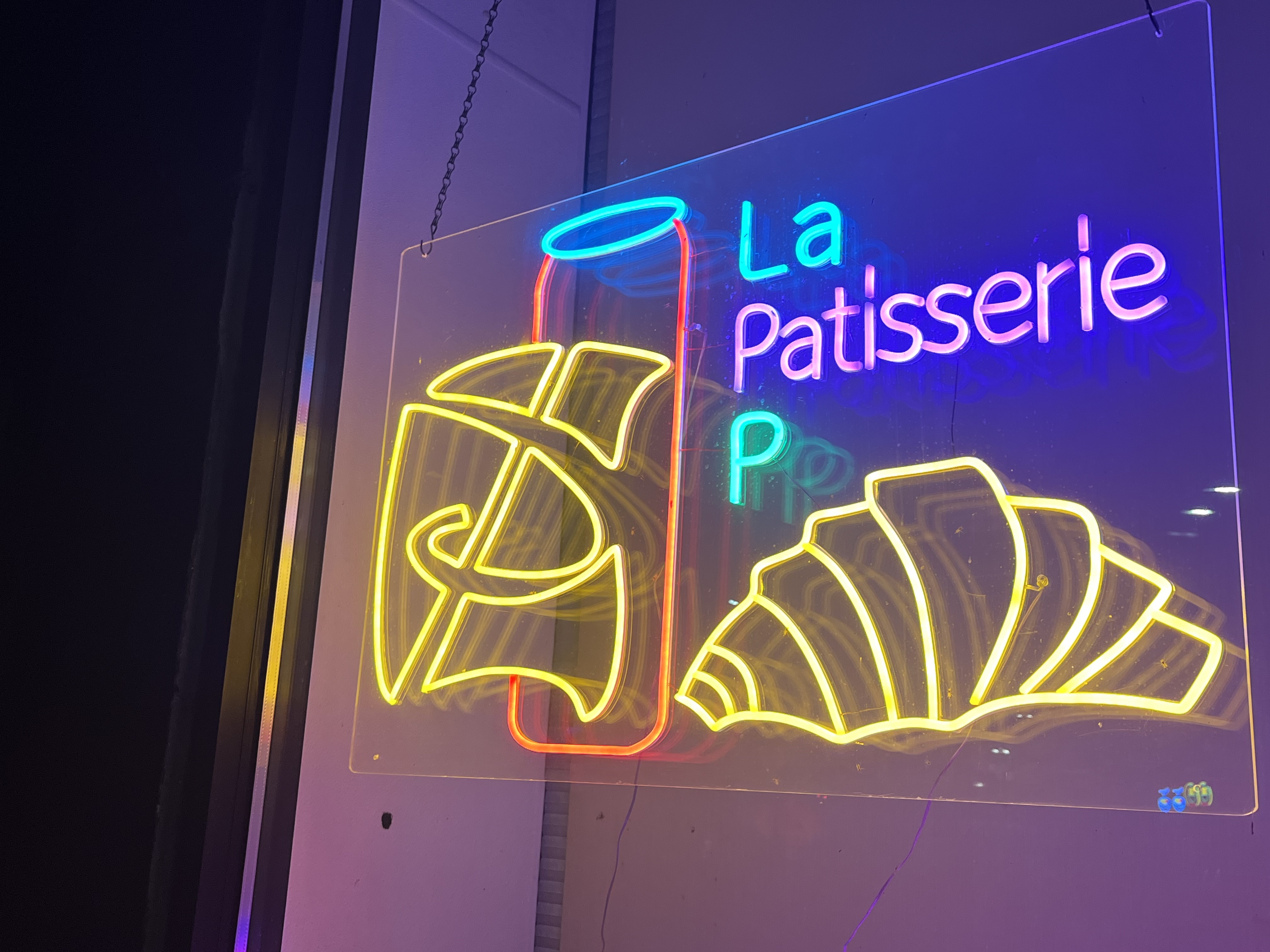
Thus far, my favorite places to enjoy – all within only one city block of my apartment— are a Venezuelan cafe (elrincondefabiollc), a Vietnamese Patisserie (with incredible almond croissants) (La Patisserie P), an Oaxacan restaurant of great culinary creativity (Kie Gol Lanee), a family run Pho restaurant (Pho 777 Chicago Argyle) and several Banh Mi sandwich shops (Ba Le Sandwich Shop & Bakery and Nhu Lan Uptown). They’re all fabulous small businesses owned by immigrants.
My current list of fave food spots are a mere 600 feet away from my front door as is the Red Line El Argyle Station which (despite my initial skepticism) is looking like a remarkably successful public works project. Starting Phase 2 of the multi year remodel of the 100+ year old transit system, the local stations are being remade, the old tracks and viaducts torn out, and one day, public green space will occupy the newly opened pathway below. Over $2 billion is being invested in all new accessible stations throughout Uptown. It’s another way the neighborhood will create new investment, public goods and improved quality of life. Just this past week, it was announced that the Preston Bradley Hall built in 1925 by the progressive People’s Church will be renovated. In a turn of events well suited to Uptown’s spirit, the new owner is a renowned surgeon and blues musician (!) who plans to convert the historical church and social services building into an entertainment venue and community center that is a hub for nonprofits. Uptown United, celebrating its 100th anniversary this year, is a very active chamber of commerce and booster for all things Uptown. (BTW, they have a great interactive booklet on Uptown history on their website where I learned a lot.)
In short, my neighborhood has a rich history of community activism, social services, extensive public art, a thriving entertainment scene and diverse immigration. Sometimes it’s a bit rough and ready but I really like it. Here are some images of my new homeworld. I’m not a photographer and these are all iPhone pics but each one of them compelled me in some way.
In 1963, my parents settled me at Bryn Mawr and Harlem Avenues in Chicago. Sixty years later, I happily find myself just a bit south of Bryn Mawr and Sheridan. It took six decades, but I’ve managed to move about 60 blocks due East to Lake Michigan. Welcome to Uptown.
 annhetzelgunkel.com